This is default featured slide 1 title

Go to Blogger edit html and find these sentences.Now replace these sentences with your own descriptions.This theme is Bloggerized by Lasantha Bandara - Premiumbloggertemplates.com.

This is default featured slide 2 title

Go to Blogger edit html and find these sentences.Now replace these sentences with your own descriptions.This theme is Bloggerized by Lasantha Bandara - Premiumbloggertemplates.com.

This is default featured slide 3 title

Go to Blogger edit html and find these sentences.Now replace these sentences with your own descriptions.This theme is Bloggerized by Lasantha Bandara - Premiumbloggertemplates.com.

This is default featured slide 4 title

Go to Blogger edit html and find these sentences.Now replace these sentences with your own descriptions.This theme is Bloggerized by Lasantha Bandara - Premiumbloggertemplates.com.

This is default featured slide 5 title

Go to Blogger edit html and find these sentences.Now replace these sentences with your own descriptions.This theme is Bloggerized by Lasantha Bandara - Premiumbloggertemplates.com.

11 December 2017

Treating Stiff and Sore Muscles!

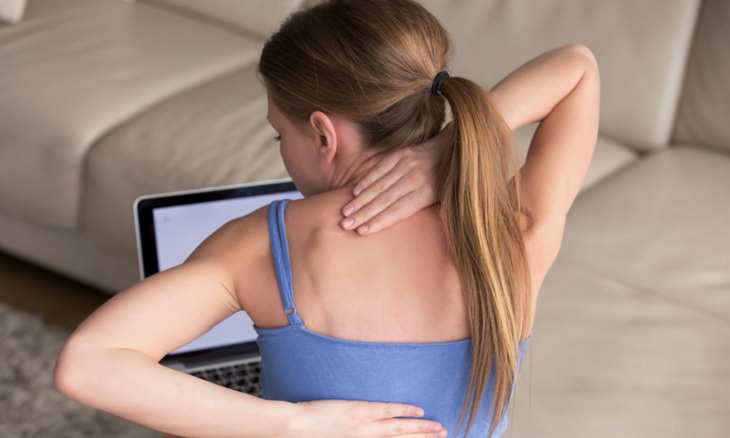
Have you ever woken up in the morning and stretched only to feel neck or shoulder pain? Every movement afterward sends pain shooting down your back, but why exactly does this happen? Read on to find out:
Why do muscles get stiff?
muscle-strain

• Muscles require magnesium for them to relax, and calcium for them to contract. When the two are imbalanced, it can lead to muscle spasms and contractions. 
• Dehydration is also a contributing factor to stiff muscles. This is because muscles are active tissues and require lots of water. The water contains electrolytes that help transfer orders from your nervous system to your muscles and back. Without enough water, muscles lose their ability to communicate with the brain.
• Inactivity is another culprit. Leaving your muscles in one state for a prolonged period (sleep or sitting in a chair for an extended period, for instance) can cause them to stiffen. Another cause of muscle stiffness is stress. When we’re stressed, our bodies tighten up in preparation for a “fight or flight” situation. Prolonged stress can lead to tightness in the muscles, resulting in strain. 
• The biggest contributor to muscle pain of all is exercise. Muscles lose mass after a prolonged period of inactivity, so when you start training again, it leads to micro-tears that cause pain and stiffness.
How to treat stiff muscles
1. Exercise 
muscle-strain
Exercising for 30 minutes each day (or every other day) can prevent most cases of muscle stiffness. Exercise keeps your muscles relaxed, and can even improve your mental state. Just don’t overdo it, because that’s when your muscles get stiff. 
2. Baking soda bath
Add 2-4 heaped tablespoons of baking soda to a hot bath and climb in for rapid muscular pain relief. You can even try replacing the baking soda with ¾ cup of Epsom salt if you wish to.
3. Take supplements
Balance your magnesium and calcium levels by taking supplements, and consider making dietary changes.
4. Massage therapy
muscle-strain
Getting a good massage can work wonders for stiff muscles. A licensed masseuse will be able to relieve stiff muscles in a single session, sending you home pain-free and much more relaxed (consult your massage therapist regarding the best treatment for you).
5. Heat application
Simply applying heat to muscles causes the tissue to expand and increase blood flow to the heated area. You can do this by taking a hot shower or massaging the stiff area with a heating pad.
6. Relax & Meditate
Calm yourself down. By reducing the level of stress in your life, your body will relax as well, reducing the likelihood of tight and stiff muscles.
7. Take an NSAID
muscle-strain
Nonsteroidal anti-inflammatory drugs such as ibuprofen, aspirin, or naproxen are your best choices. Do not exceed the recommended daily dosage or take them for more than a couple of days at a time.
8. Make sure you’re hydrated
Drink water or isotonic drinks to keep your hydration and electrolytes at an adequate level. Men require 13 cups (3 liters) of water per day, while women need nine (2.2 liters).
9. Stretch
Stretching your muscles when you wake up can prevent muscles from stiffening. It increases blood flow throughout your body, and prepares the muscles for the daily movements ahead.

05 December 2017

Distinguish Between Heart Attacks, Cardiac Arrest and Strokes

Astrologer Vighnesh
www.astrovighnesh.com // www.astrovighnesh.in
ph:us: (425) 358-6565 or (716) 777 3857
ph:India: 9445548316 or 9382633377

Heart attacks, cardiac arrest and strokes are all serious conditions related to the heart, but too often people use the terms interchangeably without understanding the differences among the three. Although the disorders are all (usually) related to the heart, they have different causes and symptoms, and it's important to know the characteristics of each so you can better identify and address the problems should they occur in your loved ones, or even yourself.
Pulse 
What is the Difference Among the Three Conditions?
Heart Attack
A heart-attack is a blood circulation problem caused when arteries become blocked and prevent oxygen-rich blood from reaching the chambers of the heart. An attack occurs when the coronary arteries responsible for carrying the blood to the heart become narrower due to the accumulation of fatty matter, calcium and proteins within them.
Over time, these deposits form plaque, which hardens on the outside. As they harden, the plaque deposits can rupture, causing blood clots to form around them. When these blood clots block the coronary arteries altogether, blood cannot reach the heart, which in turn becomes starved of oxygen. When this happens, the muscle cells of the heart begin to die and can become permanently damaged, which is what constitutes a heart attack.

Heart Attack
Cardiac Arrest
Cardiac arrest (often known as 'sudden cardiac arrest') occurs due to an 'electrical fault' that causes the heart to malfunction. When it's working properly, the heart creates electrical impulses that cause it to contract and relax, creating the 'beat' that pumps blood throughout the body.
When these impulses are interfered with or stop altogether, a sudden cardiac arrest can occur because the ventricles of the heart 'flutter' rather than 'pump'. If this reduces the blood flow to the brain significantly, a person can fall unconscious and collapse and will therefore be in need of immediate, emergency treatment.
Heart Attack
Stroke
A stroke, also known as a cerebrovascular accident (CVA) is actually a brain disorder that is often (but not always) caused by a heart problem. It occurs when the blood flow to the brain is reduced to the point where cells in the brain begin to die. There are two main types of stroke: 
  • Ischemic - Caused by a blockage in an artery that results in a lack of blood flow to the brain, and the death of brain cells. This type of stroke is related to the heart and circulatory system, which is why it is often confused with a heart attack or cardiac arrest.
  • Hemorrhagic  - Caused by bleeding, usually triggered by a ruptured artery in the brain itself. They can sometimes be associated with traumatic injuries to the head, although a stroke can occur a long time after the original incident.

Headache
What Are the Symptoms of Each Condition?
Heart problemAlthough the conditions can all develop suddenly, there are often a number of indicators that people can use to identify a developing issue. Some of the symptoms can be shared between two of the conditions, but there are also some differences that can help you distinguish between them:
Symptoms of a Heart Attack
The symptoms that indicate a heart attack may well come and go, but can also worsen over time. They are also ly to be more acute during times of physical exertion.
  • Chest Pain - Also known as angina, sufferers often describe a feeling of 'weight' or tightness in the chest. It will often come and go, and can be easily confused with indigestion.
  • Pain and Numbness in Other Areas of the Body - Feelings of pain or discomfort in the arms, neck, jaw and back are frequent indicators of heart disease. The left side of the body is more ly to be affected than the right side.
  • Unexplained shortness of breath, wheezing and extreme weakness.
  • A rapid or irregular pulse or heart beat.
  • Dizziness, nausea and vomiting.
  • Increased and often unexplained feelings of anxiety.

Symptoms of a Cardiac Arrest
StethoscopeIn over half the cases, cardiac arrest occurs without symptoms as a 'sudden event'. However, some sufferers do experience a number of symptoms in the run up to a problem, which can be considered indicators of an imminent arrest. These include:
  • A racing heartbeat/extreme palpitations.
  • Feelings of dizziness and disorientation.
  • Loss of breath and chest pain.
Although these indicators can foretell the coming of a cardiac arrest, most people will be alerted to the event by extreme symptoms such as sudden collapse or loss of consciousness. It is much harder to predict, in most cases, than a heart attack or stroke, particularly far in advance.
Symptoms of a Stroke
BrainMost of the indicators of an upcoming stroke are neurological and can begin to become apparent in the weeks and months leading up to the attack. Symptoms to look out for include:

  • Severe headaches that can be accompanied by feelings of dizziness.
  • Confusion, forgetfulness and loss of memory. The inability to follow conversations or recall names, facts and past events easily.
  • Blurred vision in one or both eyes and slurred speech.
  • Coordination problems leading to issues walking or picking up objects.
  • Nausea, sickness and excessive sweating.
  • Partial or complete loss of feeling or function in the arms, legs and mouth. This will typically affect one side of your body, so if one arm keeps falling down when you raise both, or your mouth/face begins to droop on one side, you could be experiencing symptoms.
Common Confusion Between the Disorders
Much the common cold is often called the 'flu' in everyday language, confusion among the three types of heart-related conditions occur too. Typically, representations of 'cardiac arrest' in film and TV programs will involve people responding by saying 'he/she is having a heart attack'. Most of the time, the condition which leads to sudden collapse and clutching of the chest will be cardiac arrest, although heart attacks do share many of the same symptoms.
It should also be noted that during a heart attack, the heart continues to beat, while in cardiac arrest, it stops beating altogether (or the power of the beats is significantly reduced) due to the electrical malfunction. Someone who has previously suffered a heart attack is at greater risk of sudden cardiac arrest.
Doctor
A heart attack is also more ly to occur as a result of a gradual development and worsening of symptoms over time (although sometimes, people can have a heart attack despite displaying no symptoms at all - a condition known as a 'silent' myocardial infarcation).
The symptoms of a stroke, meanwhile, are distinct and most commonly effect the head or a sufferer's motor skills. Because the causes of a stroke can be attributed to the heart's failure to pump enough blood to the brain, one can actually occur as a result of sudden cardiac arrest (which is actually one of the chief causes of a stroke).
What Should You Do?
Man beachThere is no need to live in fear of any of the disorders, but you should always seek medical attention if you have any concerns that you are displaying symptoms. Heart attacks and strokes in particular do often give notice of an upcoming event, and medical treatment could prevent the event becoming catastrophic. Learn CPR to put yourself in a position to help someone who suffers from sudden cardiac arrest and you may just save a life.
The best ways to ensure you don't develop problems are to live a healthy lifestyle, avoid bad habits, eat well and exercise regularly. Also, visit your Doctor for regular check ups, particularly if you are displaying any symptoms that could be related to these conditions.

04 December 2017

How to Protect and Heal Your Liver: 

 AstroVighnesh: Ph:us (425) 358-6565 or India:+91 9445548316
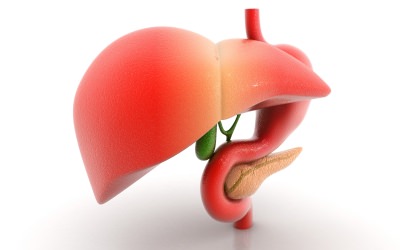
Located just below the rib cage to our right, our liver plays a crucial role in the many essential functions of the body, such as producing bile that reduces the amount of fat in the body. It maintains our sugar, fat and iron levels and is also involved in the production of protein. 
liver
                                                               
Liver diseases are a group of disorders, infections and medical conditions that affect the liver tissue and its structure, and may cause damage or stop its functioning all together.
Common symptoms of liver disease:
Yellowing of the skin Fever 
Upper right side abdominal tenderness Jaundice 
Dry mouth  weight gain 
Dark urine  
loss of appetite
vomiting blood
Breast development in males
Weight loss Enlarged liver 
diarrhea Joint aches 
Main Causes of Liver Disease:
- Lack of night sleep (sleeping more in the morning, less at night).
- High consumption of food in one sitting
- Not urinating in the morning
- Consuming too many artificial preservatives and sweeteners.
- Consuming fried foods when tired.
- Being infected with Hepatitis A, B or E.
- Autoimmune diseases that attack liver cells and cause inflammation
- Alcohol abuse can directly cause liver inflammation.
Recommended Home Remedies for Treating Liver Disease:
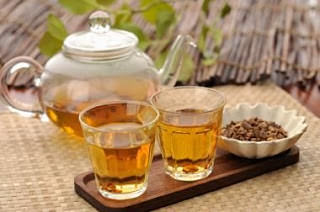
Dandelion Root Tea
One of the best home remedies for liver disease. You can make tea out of dandelion leaves twice a day. For even better results, you can boil some roots of the dandelion in water. 
dandelion tea
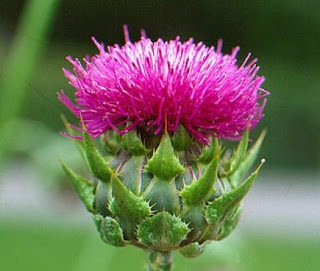
Milk Thistle
This remedy can be very effective in dealing with liver disorders. Consume about 850 ml of milk thistle twice a day with food. This will keep your liver in good condition and also supply relief for certain liver problems. Studies have shown that this can be a very effective agent in the fight against liver problems such as cirrhosis, hepatitis (viral), high toxicity and others.
alt
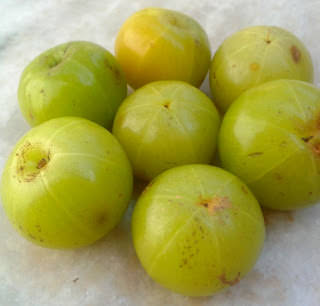
Indian Gooseberry:
Besides being a fantastic source of vitamin C, which helps keep your liver healthy, it is known that gooseberries help protect your liver. It is recommended to eat about 5-6 raw gooseberries every day or add them to food (salads, for example). Recent studies have shown that consuming the Indian gooseberry leads to an improvement of the liver function caused by a normalization of the liver-specific enzyme, alanine transaminase.
gooseberries
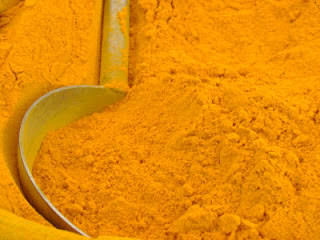
Turmeric:
Turmeric, or better yet its active ingredient, curcumin, is well known for its antioxidant and antiseptic properties. Consuming turmeric or adding it to foods on a regular basis will keep your liver in good condition. Studies have shown that turmeric can protect the liver from the viruses that causes hepatitis A, B and E. You can add it to food, milk or just take 1/2 a tablespoon of turmeric with 1 teaspoon of honey once a day.
turmeric
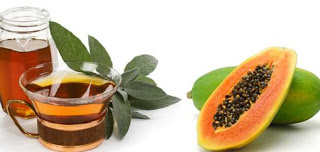
Papaya Fruit:
The papaya fruit is really good at getting rid of liver disorders. It also offers good relief to those who suffer from cirrhosis of the liver. Consume one teaspoon of lemon juice with 3 teaspoons of papaya juice once a day and repeat for 4-6 weeks in order to relieve the condition.
papaya
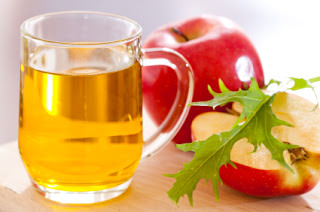
Apple Cider Vinegar:
This is a cleansing remedy that will help flush out the toxins from inside the liver. Take it before meals to help maintain a healthy level of fat in the body. 
Take one tablespoon of apple cider vinegar and mix it with a glass of water, then add one teaspoon of honey and mix again. Drink this 3 times a day to really cleanse your liver.
apple cider vinegar
A few more tips for taking care of your liver:
~ Drink green tea every day. It contains catechins that aid the function of the liver.
~ Physical activity, even mild, will reduce your toxin levels through sweat and by keeping your body fit.
~ Drink a lot of water, it's always a healthy choice and it will flush the toxins out of your system. 
~ Eating apples and leafy vegetables is a good idea, as they too help flush out toxins from the body.
~ Avoid alcohol like the plague.
~ Avocados and walnuts also offer protection against liver disorders.

03 December 2017

Turmeric Golden Milk Tea!

If there's one drink that you should drink before bed, turmeric golden milk tea is it. This healthy drink helps promote a good night's sleep, cleanses the blood, heals digestive issues and is an anti-inflammatory that helps protect against cancer. But its incredible health benefits do not just stop there.
Turmeric, is renowned for its health benefits. In fact, it has been shown to help in the following:
1. It detoxifies the liver.
2. It clears mucus from the body.
3. It promotes weight loss.
4. Turmeric is a great remedy for acne.
5. It can be used to alleviate a toothache.
6. It helps with pain.
7. It soothes inflamed joints.
8. Turmeric purifies the blood.
9. It helps with depression.
10. It heals wounds.
11. It soothes symptoms associated with eczema.
12. Turmeric helps lower cholesterol.
13. It boosts the immune system.
turmeric tea
While turmeric's health benefits come in the dozen, combining it with other ingredients, particularly good fats, will help calm the brain, balance hormones and naturally promote a calm and good night's sleep. The taste of golden milk tea is incredibly delicious too, and tastes very similar to warm chai tea.
The recipe is diverse too and many ingredients can be used when making turmeric golden milk.
Ingredients (serves 4-6 servings)
• 2 cups of coconut milk
• 1 tsp coconut oil
• 1.5 tsp ground turmeric
• 1 tsp cinnamon
• 1 tsp nutmeg
• 1" piece of fresh peeled and sliced ginger or ½ tsp ginger powder
• 1 tsp of grade b maple syrup or honey to taste
• A sprinkle of black pepper (optional)
Note: You can add filtered water to your liking and consistency.
Directions:
1. Blend all the ingredients thoroughly in a blender or food processor, until smooth.
2. Pour into a saucepan and heat over medium heat for about 3-5 minutes.
3. Pour into your mug or cup and enjoy all the delicious anti-inflammatory health benefits.

Pressure Points for hands and Feet!

AstroVighnesh Ph: +91 9445548316 or 9382633377
US: (425) 358-6565  or (716) 777-3857
www.astrovighnesh.com
mail: info@astrovighnesh.com
According to ancient oriental beliefs, every organ in the human body has a representative pressure point in the hand and the foot. According to this method, massaging and applying pressure to this point for about 10 minutes should alleviate pain, cure diseases and make us feel much better. Get to know the most important pressure points in the hands and feet:
The Hands 
alt
Each number above corresponds to the following affliction:
alt
The Feet
alt
Each number above corresponds to the following affliction:
alt