This is default featured slide 1 title

Go to Blogger edit html and find these sentences.Now replace these sentences with your own descriptions.This theme is Bloggerized by Lasantha Bandara - Premiumbloggertemplates.com.

This is default featured slide 2 title

Go to Blogger edit html and find these sentences.Now replace these sentences with your own descriptions.This theme is Bloggerized by Lasantha Bandara - Premiumbloggertemplates.com.

This is default featured slide 3 title

Go to Blogger edit html and find these sentences.Now replace these sentences with your own descriptions.This theme is Bloggerized by Lasantha Bandara - Premiumbloggertemplates.com.

This is default featured slide 4 title

Go to Blogger edit html and find these sentences.Now replace these sentences with your own descriptions.This theme is Bloggerized by Lasantha Bandara - Premiumbloggertemplates.com.

This is default featured slide 5 title

Go to Blogger edit html and find these sentences.Now replace these sentences with your own descriptions.This theme is Bloggerized by Lasantha Bandara - Premiumbloggertemplates.com.

29 June 2017

3 Essential Exercises for Your IT Band!

Many tend to experience pain or injury in the IT (iliotibial) bands. But what is the IT band anyway? While some may think of it as a muscle, it is actually a fascia (a connective tissue) that runs from the outside of your hip to the knee and down to your shin. This tissue doesn't need to be strengthened (it is already incredibly tough), and cannot be stretched either as it's not flexible. Still, these misconceptions can often complicate treatment of IT Band Syndrome. When the IT band becomes inflamed it can cause swelling and pain on the outside of the knee.
If this is what you experience, try to reduce or stop high impact exercise like running and start doing lower-impact activities like swimming or cycling, and seek a sports medicine doctor if the pain persists. But one of the best ways to prevent this condition is to train consistently, picking up the pace gradually. If you ramp up your exercise routine too quickly - from not running at all to 5+ miles a day, or trying to fit all of your exercise into the weekends, there will likely be a greater chance that you'll end up in pain.
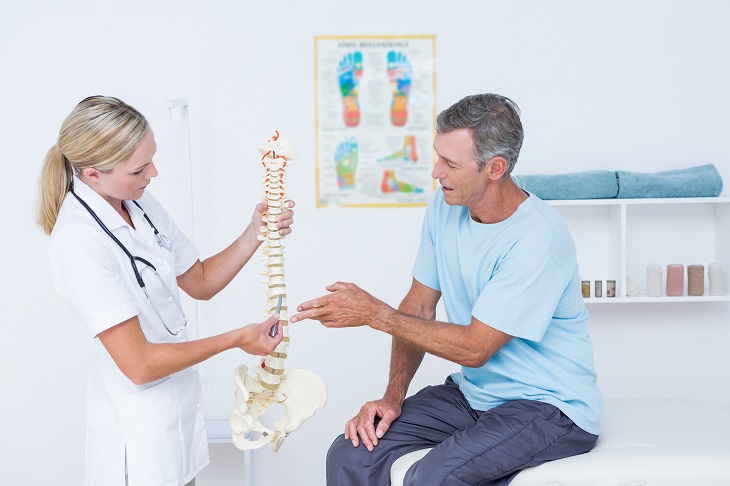
If your IT band is too tight, the first thing you should do is visit a doctor and get the correct diagnosis, as well as discuss treatment options. Then, practice healing exercises to strengthen and loosen the surrounding muscles. Try the following moves:
Exercise 1: Step-Downs

IT Band Pain
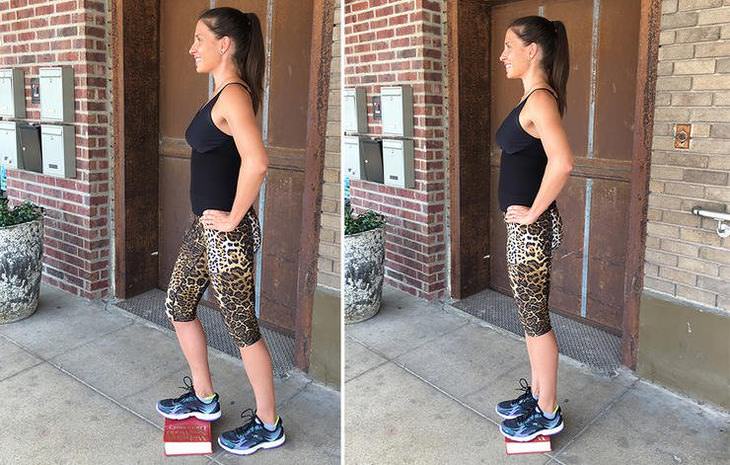
Why: Your glutes should be strong enough to keep your hips level while running. If they aren't strong enough, the IT bands will have to compensate for the lack of strength in your glutes which can cause tightness and inflammation. Step downs will help strengthen your side glutes:
Here's How:1. Find a 2-inch platform to use, like a book. Then step one foot on the platform tapping the other foot down to the ground gently. Then bring it up to join the other foot on the top platform. Keep most of your weight on the supporting leg. Do this for 15 repetitions, taking about two seconds to tap down and two seconds to tap up. 
2. Repeat on the other leg for 15 repetitions, then switch back to the starting leg for another set. Perform for a total of three sets of 15 repetitions on each leg. 
Exercise 2 (Option A): Single Leg Balances
IT Band Pain
Why: This exercise is a great way to strengthen all of your gluteal muscles, as well as the quadriceps that will help level out your hips and prevent your IT band from working overtime. 
Here's How:
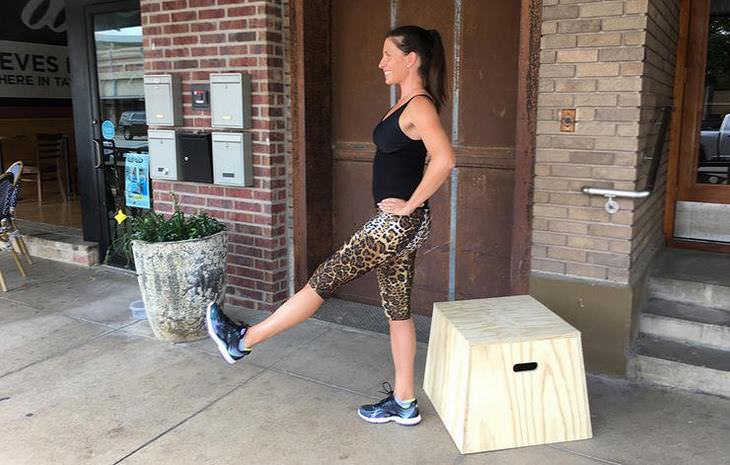
1. Stand on one foot with the other leg lifted and extended out in front of you, foot flexed. Keep your hips in alignment and hold steady for 90 seconds. 
2. Repeat on the other side. 

Exercise 2 (Option B): Single Leg Squats
IT Band Pain
Why: Single leg squats work your entire glutes and quads to keep your hips level. This realignment will help your running form and put less stress on your IT band. 
Here's How:
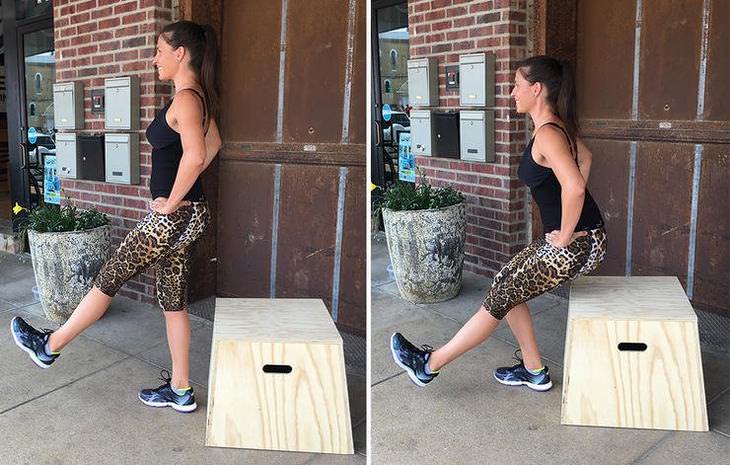
1. Find a bench or an 18" to 24" tall box and stand directly in front of it. Start as described in the exercise above. 
2. Keep your hips level, bend into your standing leg and take three seconds to lower your butt to just above the bench. Take three seconds to rise back up. Perform 15 reps on this side. Then repeat on the other side.
Exercise 3: Lateral Quad Roll
IT Band Pain
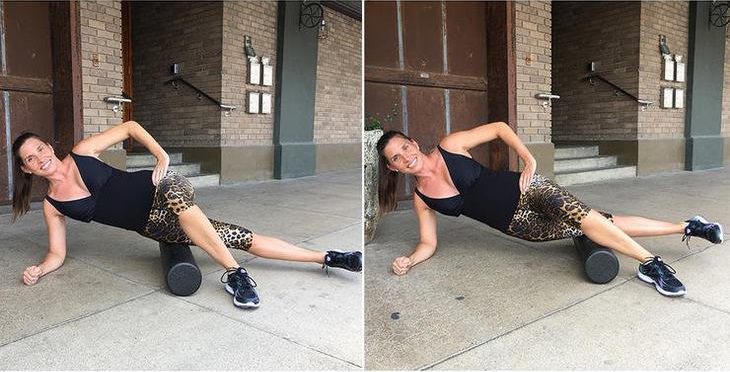
Why: While the IT band itself may not be very supple, the structures surrounding it are. The side of the quad, therefore, is what really needs to be loosened and massaged deeply. To perform this move, you'll need a foam roller that will restore the tissue. 
Here's How:
1. Lie on your side and position the foam roller just below the hipbone of the bottom leg. Stack your hips and cross the top leg over and rest that foot on the floor in front of you.

2. Roll the foam roller down the length of the side of your thigh, until you reach just above the side of the knee. Reverse to roll back. If you hit any exceptionally sensitive spots, breathe deeply until the sensitivity subsides. Take approximately 30 seconds to roll down and 30 seconds to roll back up. Perform three repetitions and repeat on the other side.
Astrologer Vighnesh
Chennai-ph: +91 9445548316 (wat'sup)
NY Ph:        +1 425-358-6565   (wat'sup)
www.astrovighnesh.com

8 Causes of Morning Headaches!

If there’s one way to guarantee a nasty start to your day, it’s pulling yourself out of bed with a painful headache. Morning headaches are annoying and rather hard to understand. You’ve just gotten up, so what on earth could you have done to cause this pain? As it turns out, there are quite a number of things that can trigger morning headaches. Here are 8 of the most common ones, and what you can do to keep them away.

1. You didn't get enough sleep
alt
Your body requires 7 to 8 hours of sleep to function properly. Getting any less may result in stress, higher blood pressure, and an increased heart rate. All of these things can lead to a headache. Taking a 20-minute nap or an over-the-counter painkiller can help you make it through the morning, but you need to start getting enough sleep to prevent it from happening again.
2. You got too much sleep
alt
Sleeping for more than 9 hours a night can decrease the level of serotonin found in the brain. The can reduce blood flow to the brain, triggering a headache. The best way to avoid these headaches is to adjust your sleeping pattern to get 7 to 8 hours of sleep per day. Setting an alarm on weekends can be particularly useful.
3. Your endorphins aren't working as they should be
alt
The body's production of feel-good endorphin hormones is at its lowest as soon as you wake up, and this can trigger migraines for some people. This is because low levels of endorphins may result in the brain's blood vessels narrowing, which is where the pain comes from. Since exercise triggers the release of endorphins, an early morning workout session could be your best option for dealing with such a headache.
4. You had too much to drink last night
alt
Even just a few alcoholic drinks can make you dehydrated, and this reduces the amount of blood flowing into your brain, causing headaches. Alcohol can also make it more difficult to get a good night's sleep, which is another headache trigger. In this case, the best cure would be to rehydrate using water or an electrolyte drink. Adding vitamin C powder to a glass of water can also help your liver get the alcohol out of your system faster.


5. You snore
alt


If you snore through the night and wake up with a pounding headache, then this may be a sign of sleep apnea. Sleep apnea is a condition which temporarily interrupts your breathing at night, and can result in your brain receiving less oxygen than it should. If you think you might have sleep apnea, then have a chat with your doctor, who'll help you find the best solution to manage this condition.

6. You're late with your coffee
alt


Caffeine is a mild drug that stimulates your nervous system. Like with many other drugs, if you don't get your fix at the usual time you can start to experience withdrawal effects. A pounding headache is by far one of caffeine withdrawal's most common symptoms, and the easiest way to get rid of it is to drink a mug of coffee. However, if you're trying to kick your caffeine habit, doctors recommend cutting down gradually over a few weeks, instead of going cold turkey.

7. You're depressed
alt

Depression-related headaches can strike at any time of day, due to the decreased levels of serotonin that depression causes. However, they're particularly common in the morning due to the disturbed sleep cycles that many depressed individuals experience. If you think you might be suffering from depression, it's best to get professional help sooner rather than later, so that you can start truly living once again.

8. You have high blood pressure


alt


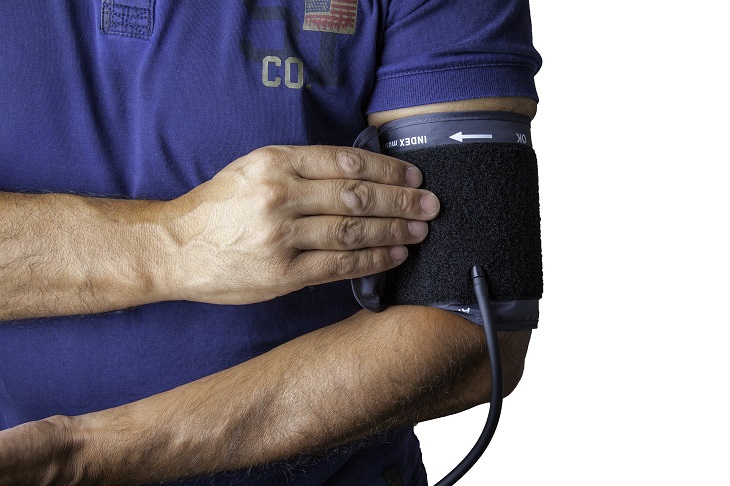
If you've got high blood pressure, your blood is actually putting too much pressure on your head. Unsurprisingly, this can be a frequent cause of headaches. Many people with high blood pressure don't even know they have it, since it doesn't show many outward symptoms. If your morning headaches are frequent and unexplainable, then it might be a good idea to get your blood pressure tested.
Astrologer Vighnesh
Chennai ph: +91 9445548316 wat'sup)
NY US ph:   +1 716-777-3857
www.astrovighnesh.com

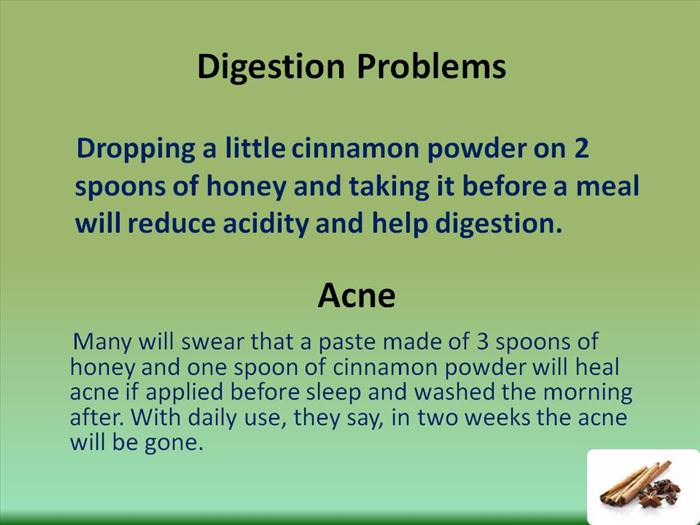
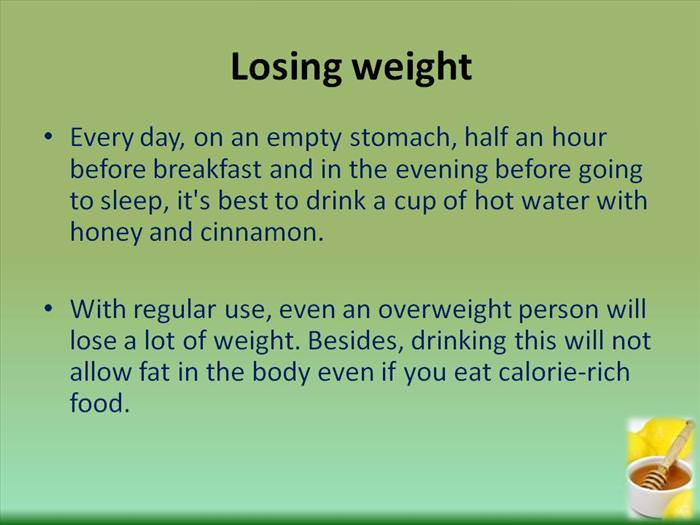
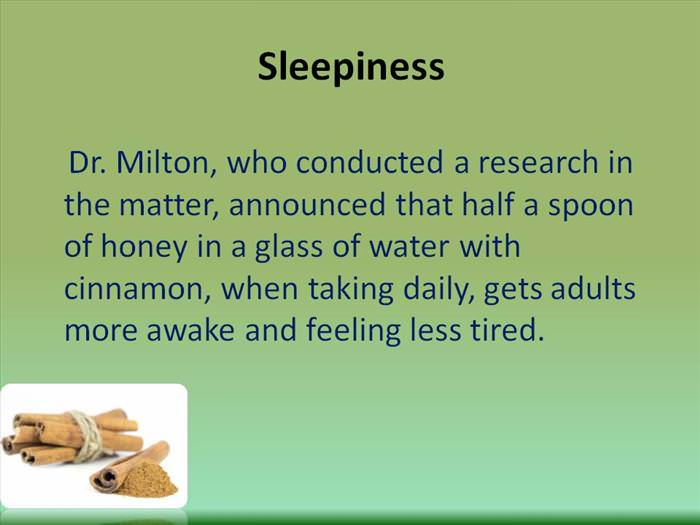
Honey and Cinnamon: Natural Medicine!

In many cultures of the world, a mixture of honey and cinnamon has served as a traditional cure. Today's scientists acknowledge honey as a very efficient medicine in treating a large variety of illnesses. Honey has no side effects when treating diseases, which makes it a great alternative to try. Today science claims that honey, although sweet, if taken in medical dosage, is no problem for a diabetic patient.
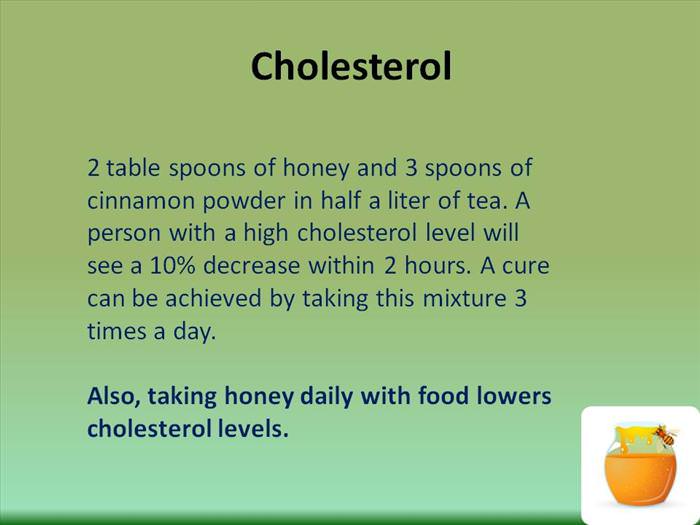
The Canadian journal 'Weekly World News', published a few years ago a list of diseases curable by honey and cinnamon, as evidenced in various trials.
honey and cinnamon medicine

honey and cinnamon medicine

honey and cinnamon medicine

honey and cinnamon medicine

honey and cinnamon medicine

honey and cinnamon medicine

honey and cinnamon medicine

honey and cinnamon medicine

honey and cinnamon medicine

honey and cinnamon medicine

Astrloger Vighnesh
ph: +91 9445548316 (wat'sup)
ph:+1(425) 358-6565(wat'sup)
www.astrovighnesh.com


27 June 2017

Identifying and Treating a Herniated Disc!

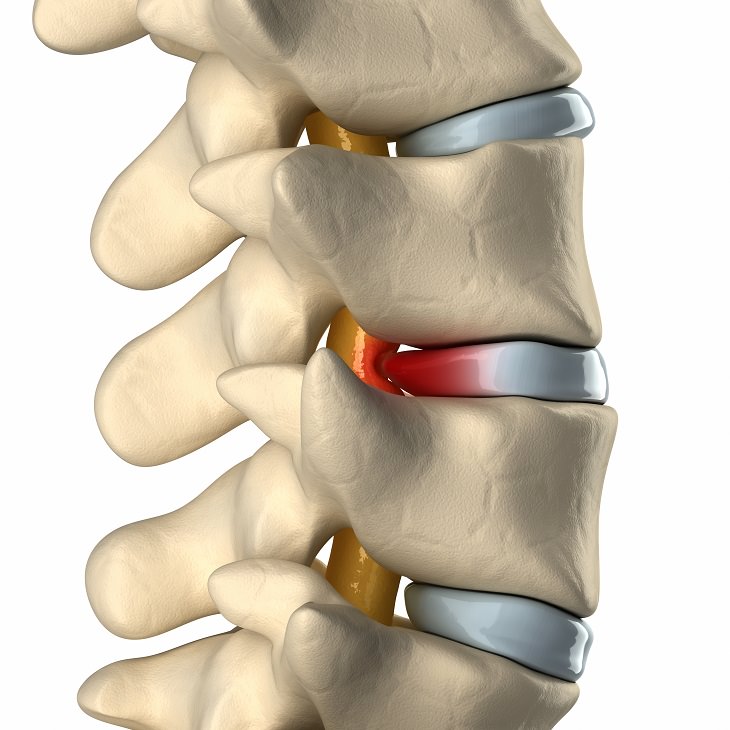
Many patients with leg pain, back pain, or weak lower extremity muscles are diagnosed with a herniated disc. When a disc herniation occurs, the cushion that lies between the spinal vertebra is pushed out of its regular position. A herniated disc wouldn't really be an issue if it weren't for the spinal nerves that are extremely close to the edge of these cushioning discs.
Spinal Discs
alt
The spinal disc is the soft cushion that sits between each vertebra of the spine.
This disc becomes more rigid with age. In young individuals, the disc is soft and elastic, but much like many other of the body's structures, it gradually loses its elasticity and becomes more vulnerable to injury. In fact, even in individuals in their 20s, MRIs frequently show early evidence of disc deterioration.
As the spinal disc loses its elasticity, it can rupture. When a rupture occurs, a part of the spinal disc pushes away from its normal boundary, causing a herniated disc. When a herniated disc bulges out from between the vertebrae, the spinal cord and the spinal nerves may become pinched. If a herniated disc is pushed far enough, these structures may become compressed, and that's where the pain begins.
Symptoms of a Herniated Disc
alt
There a quite a number of reasons behind why someone might develop a herniated disc. It may occur gradually with repetitive straining of the spine, or it might occur suddenly in an event such as an accident or a fall.
People who experience a herniated disc often already have spinal stenosis, a problem that causes narrowing of the space around the spinal nerves and spinal cord. A herniated disc would then further reduce the amount of space remaining, leading to irritation of the nerve.
Some of the most common symptoms of a herniated disc include electric shock pain, coupled with sensations of tingling and numbness. If these sensations are felt in your arms, then this indicates a compression in the neck region. If you feel electric shocks going down through your legs, then you've probably got a compression in your lower back.
If you've got a herniated disc, then you might also experience muscle weakness, due to the interruption of certain brain signals. Bowel or bladder problems are other common symptoms of a herniated disc, and these shouldn't be ignored since they may be a sign of cauda equina syndrome. If you're finding it hard to have bowel movements, urinate, or if you experience numbness around your genitals, then visit your doctor immediately!
Diagnosis and Treatment of a Herniated Disc
alt
Typically, your doctor will be able to diagnose a herniated disc through a thorough physical examination, by testing reflexes, sensation, and muscle strength. An MRI is also commonly used to make the diagnosis more accurate.
While people diagnosed with a herniated disc sometimes have to undergo surgery, it is usually considered as a last resort, especially in less severe cases. There are many different treatments an individual can try out first, and the most effective include:
• Rest & Activity Modification
The first treatment is to rest and to avoid carrying out any activities that might aggravate your symptoms. Many disc herniations will resolve if given enough time.
• Ice & Heat Applications
These can be extremely helpful in relieving a disc herniation's most painful symptoms. By helping to relax the back's muscles, ice and heat applications can relieve muscle spasms and provide efficient pain relief.
• Anti-Inflammatory Medications
Nonsteroidal anti-inflammatory medications (NSAIDs) are often prescribed, and help to relieve some of the pain. By reducing inflammation, these medications can reduce some of the pressure on the compressed nerves. NSAIDs should only be used under a doctor's supervision.
• Oral Steroid Medications
These can be very helpful in episodes of an acute (sudden) disc herniation. Some of these medications include Prednisone and Medrol. Like NSAIDs, these powerful anti-inflammatory medications can relieve your symptoms by reducing inflammation around the compressed nerves.
• Other Medications
Other medications used include muscle relaxers and narcotic pain medications. Narcotic pain medications are useful for severe, short-term pain management. Be warned though, these medications can be addictive and can make you drowsy. It is important to use these for only short stretches of time. Muscle relaxers are used to treat the spinal muscle spasms often seen with disc herniations. Such muscle spasms are often worse than the pain from the disc pressing on the nerves, so muscle relaxers provide some welcome relief.
• Epidural Steroid Injections
Cortisone injections can be administered directly to the area of nerve compression. Like oral anti-inflammatory medications, the idea is to relieve the compression on the nerves. When an injection is used, the medication is delivered directly to the affected area, rather than traveling throughout your entire body, as is the case with oral medication.
Astrologer Vighnesh
ph: +919445548316 (watsup)
Ph:+1(425) 358-6565(watsup)
www.astrovighnesh.com
mail: astrovighnesh@astrovighnesh.com

Health Guidelines for Mobile Users

Scientists can't seem to make up their mind about cell phones. Are they causing radiation? Yes. Is it harmful to us?
They aren't sure. However, putting all their reports together, a pattern of tips and precautions becomes clear.
phone


The most important thing you need to know right away, is that the phone is sometimes transmitting a stronger (and as such more hazardous) signal, while at other times it will transmit very weakly or not at all. It's a good idea to know when that happens and when not, as to avoid causing possible harm to yourself. Parents, take heed, as children are the most susceptible to damage by radiation at their tender years of growth.
Here are some important tips to minimize exposure:
1. Keep some distance – Hold the cell phone away from body to the extent possible.
2. Use a headset (wired or Bluetooth) to keep the handset away from your head.
3. Do not press the phone handset against your head. Radio Frequency (RF) energy is inversely proportional to the square of the distance from the source -- being very close increases energy absorption much more.
4. Limit the length of mobile calls.
5. Use text (SMS) as compared to voice wherever possible.
6. Put the cell phone on speaker mode.
7. Use your phone where reception is good. If the radio signal is weak, a mobile phone will increase its transmission power. Find a strong signal and avoid movement.
8. Metal & water are good conductors of radio waves so avoid using a mobile phone while wearing metal-framed glasses or having wet hair.
9. Let the call connect before putting the handset on your ear or start speaking and listening – A mobile phone first makes the communication at higher power and then reduces power to an adequate level. More power is radiated during call connecting time.
10. If you have a choice, use a landline (wired) phone, not a mobile phone.
11. When your phone is ON, don't carry it in chest/breast or pants pocket.  As it may harm your fertility or your heart.
When a mobile phone is ON, it automatically transmits at high power every one or two minutes to check (poll) the network.
12. Reduce mobile phone use by children as a younger person will likely have a longer lifetime exposure to radiation from cell phones.
13. People having active medical implants should preferably keep the cell phone at least 15cm away from the medical implant.
* While Purchasing a Mobile Handset check the SAR value of the mobile phone. It can be searched on internet if its model number and make is known.
14. The RF radiation is increased by Mobile phones when used in a car to overcome the window shielding. So try to reduce such use or stop it all together. 
The Truth about Coconut water
COCONUT WATER 1. The best thing about this beverage is that it contains Zero Cholesterol. It contains minerals like Calcium, Manganese, İron, Zinc, Magnesium, Phosphorus, Sodium and Potassium. It also contains vitamins like Riboflavin, Thiamine and Vitamin C . All these nutrients make coconut a very potent health drink. It is more nutritious than milk, as it has less fats and no cholesterol.

2. Research studies suggest that Cytokinins (e.g., kinetin and trans-zeatin) in coconut water showed significant Anti-Carcinogen ic and Anti-Thrombotic and Anti-Ageing Effects.

3. It is used as intravenous saline fluid in many developing countries and has saved many lives. The reason that it's possible to be used that way is its composition, which is quite identical to Human Blood Plasma.

4. Coconut water, by its very nature is an İsotonic Beverage. That is, it has the perfect balance of electrolytes in it, which is good for our body due to its right PH Levels.
5. It is an excellent Energy Drink for the old and the sick, who find it difficult to process solid food. It is a Natural Fluid designed to Sustain Life. Note: When my dogs are sick, I give them coconut drink. The dogs get well.

6. It is better than many processed baby milk products, as it contains Lauric Acid which is an important ingredient of Mother's Milk. This natural beverage can effectively treat Disturbance of the İntestine in İnfants.

7. Anti-Ulcer Properties: Both coconut milk and coconut water exhibit potent anti-ulcer activity against chemicals such as indomethacin, a Non-Steroidal Anti-Inflammatory Drug (NSAID).

8. Blood-Pressuring Lowering Properties: When human subjects consumed coconut water for two weeks, it was found to lower blood pressure in 74% of the experimental group, reducing it by up to 24 points (mmHg) systolic and 15 points (mmHq) diastolic.

9. Anti-Alzheimer’s Properties: in an animal model of ovariectomy-induced menopausal changes, coconut water appeared to prevent the decline of brain estrogen (estradiol) levels, as well as the associated accumulation of Alzheimer’s disease associated β-amyloid (Aβ) plaque in their brains.

10. Anti-Bacterial Properties: Three novel antimicrobial peptides have been identified in coconut water which exhibited inhibitory activity against both Gram-positive and Gram-negative bacteria.

11. Anti-Gastroente ritis Agent: When sodium is added (ideally sea salt) coconut water has been determined to be an ideal rehydrating agent in countries where medical supplies are not freely available, and where, say, cholera and other severe forms of gastroenteritis persist.

12. Ultimately, coconut makes for an excellent alternative to Sports Drinks, which are increasingly comprised of synthetic ingredients.

13. Its water is also a very good source of B-Complex Vitamins such asRiboflavin, Niacin, Thiamin, Pyridoxine, and Folates. These vitamins are essential in the sense that body requires them from external sources to replenish.

14. A few friends and colleagues' wives who are cancer sufferers testify that they take coconut drink to COOL their bodies after their chemotherapy sessions.
NOTE: IF you buy Coconut water, please look at the ingredients... should be 100% pure coconut water... nothing else... no sugar, not anything else.