21 July 2017
It seems like everyone is always searching for new and effective ways to lose weight as quickly as possible. If you're anything like me, you'll find that some methods seem to work wonders, while others tend to do more harm than good. Over the years, I've found that the best approach to weight loss is to tackle your goals from multiple directions. A healthy diet and good exercise habits are important, but you may also need to change your lifestyle a bit in order to help keep the pounds off once you've managed to shed them.
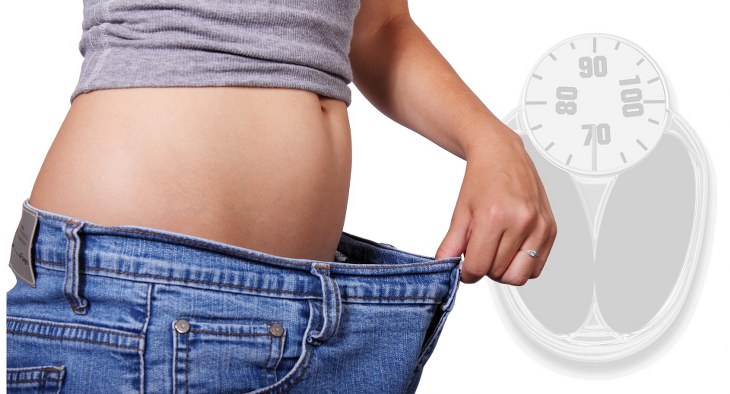
Your body requires around 7-8 hours of sleep a night in order to make you, and your metabolism, function appropriately. Having a poor or irregular sleep cycle may lead to your body retaining more fat as a resource than it actually needs.
Even though smoking may cause a temporary curb in your appetite, it also causes long-term inflammation, which could cause an increase in the amount of fat deposition in your body.
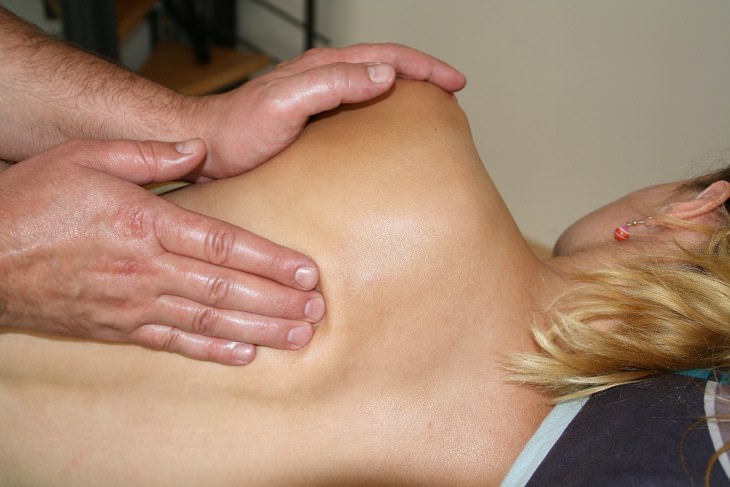
Being too stressed can cause inflammation throughout your body, which can contribute to weight gain. A nice relaxing massage can be just what your body needs to get your fat loss goals back on track.
Establishing a regular eating and sleeping schedule will allow your metabolism to work at a highly efficient pace. As a result, your chances of weight loss will drastically improve.

High-impact exercises like jogging or running can be painful for someone who's obese. However, swimming is an excellent alternative, since the resistance offered by the water will keep your heart rate up, without stressing your joints.
Whenever the distance is realistic enough, you should try cycling instead of driving or taking public transport. This is both a fun and simple way of losing weight, while reducing harm to the environment.
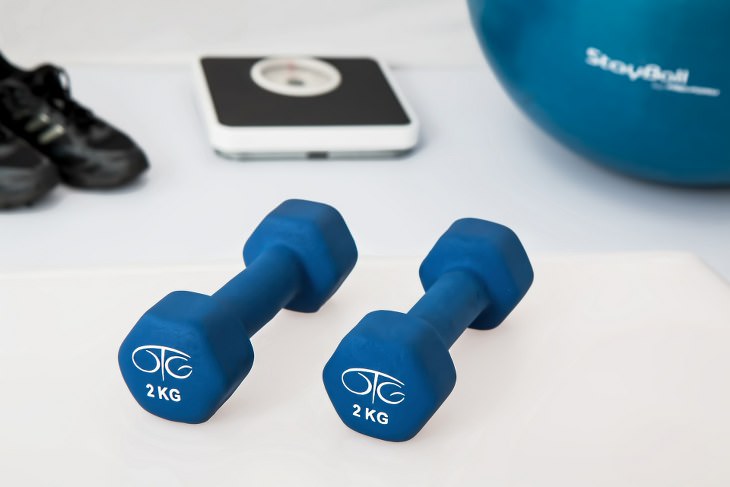
Many people only stick to cardio when trying to lose weight, yet experts say that training with weights is just as important. By putting on some muscle mass, your body will have to spend calories to maintain it, instead of converting all those extra calories to fat.
Engaging in sexual intercourse will cause your body to release 'feel-good' hormones, which can help lower your body's stress levels. In addition to this, you'll also burn quite a few calories, depending on how enthusiastic your session is!
Drinking more water will detoxify your body and also fill you up more. Drinking a glass of water before dinner can prevent overeating, and a glass of water is also an ideal substitute for a snack.
Designating just one space for eating (that isn't the kitchen), will make you less likely to snack at the wrong time. It will also be easier to keep track of your eating habits, and will help reduce your peripheral calorie intake.

Limiting your breakfast to no more than 400 calories will give you a much better chance of sticking to your daily calorie goals. Make sure that you consume some energy-dense foods to help you avoid snacking later on in the day. Ideal breakfast choices include salmon, avocado, eggs, and peanut butter.
Fast foods and processed foods have an absurdly high concentration of calories and saturated fats, which can shatter your diet. Enjoy watching the pounds melt off as you run far away from these guilty pleasures.
Make sure that your diet consists of an even balance of carbs, protein, and fat. This will avoid any nutrient deficiencies, without harming your fat loss goals.
Most people are unrealistic when it comes to goal-setting. Nobody can go from obese to slim in under 30 days. Setting yourself realistic goals will allow you to avoid discouragement, and will make you work harder to meet your targets.
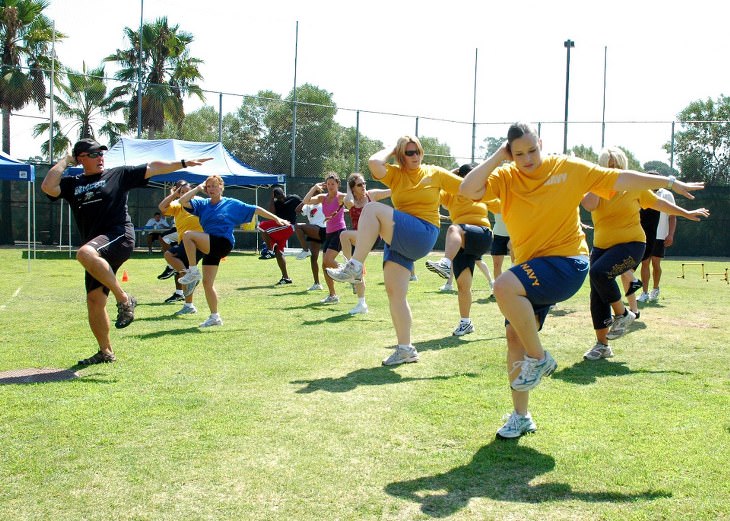
Trying to lose weight alone is far from easy. Turn to friends or professionals for support, and you'll find that losing weight suddenly becomes a lot easier.
Your body will let you know if you're giving it a hard time. Common symptoms of nutrient or fat deficiencies include headaches, muscle aches, constipation, exhaustion, cognitive confusion, and gastrointestinal distress.
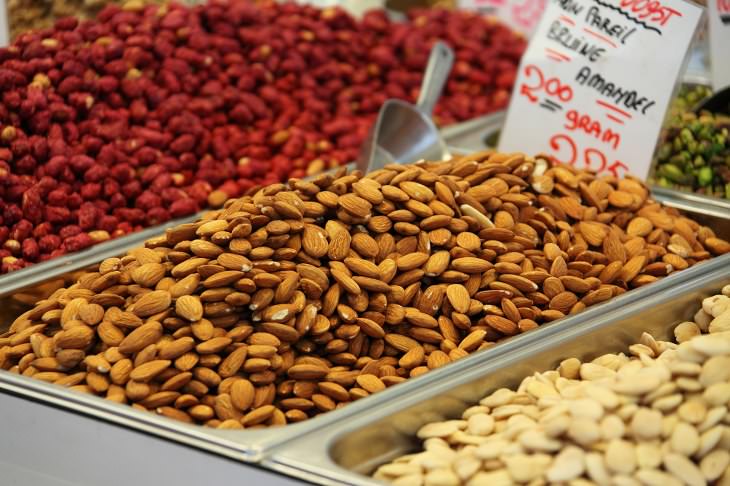
Almonds have a fantastic fat profile, which could result in a decrease in your body's bad cholesterol levels. They also signal your body to burn more calories, instead of storing it in your belly.
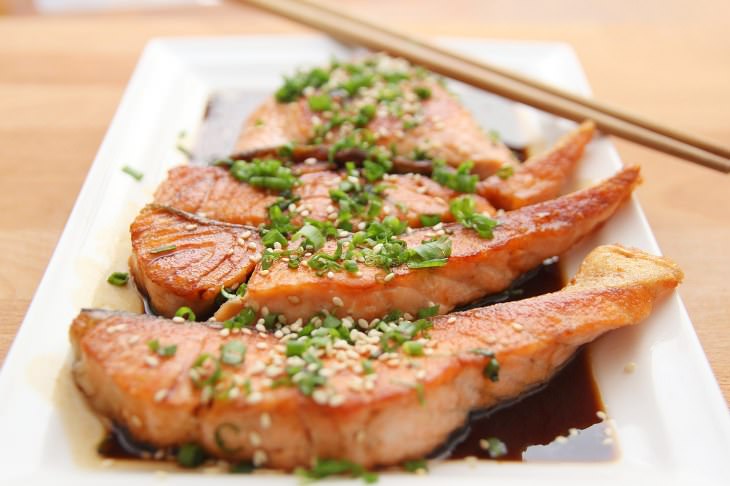
Salmon, tuna, and other types of fatty fish provide the body with essential omega-3 fatty acids. These will reduce your risk of diabetes and atherosclerosis, both of which contribute to fat gain.
Food which contains a lot of fiber is ideal for improving nutrient uptake and stimulating digestion. This will make food pass through your system a lot quicker, and will also reduce fat deposition. Additionally, fiber makes you feel fuller, which will decrease your chances of overeating or snacking.
Ah, sleep. You remember it, right? It’s what you’re supposed to be doing when you’re lying in bed checking Facebook on your phone or watching back-to-back episodes of House Hunters International.
Sleep deprivation is so common and pervasive these days that it’s now considered a public health epidemic, according to the Centers for Disease Control and Prevention (CDC). But how much sleep is enough? Researchers now have an answer: The American Academy of Sleep Medicine and the Sleep Research Society gathered a panel of 15 experts in sleep medicine and research and concluded that seven hours is the magic number when it comes to the minimum amount of sleep adults need to stay healthy.
The problem is, nearly 30 percent of adults are sleeping less than six hours per night, according to the CDC. But what exactly happens to your body when you get less than six hours of shut-eye? Is it that bad? In a word, yes.
“One of the most important things we have to remember is that sleep is a function of the brain,” Shalini Paruthi, MD, associate professor in the department of internal medicine and pediatrics at Saint Louis University, and spokesperson for the American Academy of Sleep Medicine, tells Yahoo Health. When you don’t get enough, the mental effects are immediate. They range from having a harder time concentrating and making decisions to having headaches and struggling to remember things, which can impact your life both personally (forgetting a friend’s birthday) and professionally (blanking mid-presentation in front of your boss).
Your ability to react quickly also slows down when you’re exhausted — which results in making mistakes. “We first lose our speed, and then we lose the accuracy,” notes Paruthi. “There are multiple studies that show being deprived — even if it’s four hours of sleep — can make someone have the same reaction time as someone who is driving under the influence. Driving while sleep-deprived is the equivalent of driving drunk.”
Your Mood
And let’s not forget about mood. “Your ability to regulate and control your emotions, as well as [cope] with change, are affected,” she says. That’s a nice way of saying that you’re more likely to be grouchy and irritable when you’re short on sleep. Research shows that getting less than five hours of sleep at night can make you feel more stressed, sad, and angry.
One study involving 3,000 adults over the age of 45 found that those who slept under six hours each night were nearly twice as likely to have a stroke or heart attack compared to adults who logged six to eight hours per night, according to the National Sleep Foundation. They were also 1.6 times more likely to have congestive heart failure. Another small study conducted by Mayo Clinic researchers found that not getting enough shut-eye significantly raises blood pressure at night.
Blood sugar levels are affected, too. In one study, healthy men who were restricted to four hours of sleep six nights in a row showed impaired glucose tolerance — a prediabetic condition.
Anyone who has ever gotten a cold shortly after pulling an all-nighter knows that sleepless nights can also weaken your immune system. A recent study found that people who slumber for six hours or less at night are four times more likely to catch a cold when exposed to the virus, compared to those who sleep more than seven hours each night. “People who are sleep deprived may not be able to mount the same type of immune response as someone fully replete on their sleep,” says Paruthi.
Missing out on sleep may also be the reason your skinny jeans are feeling a little tighter these days. Being just shy of two hours of your usual amount sleep at night can slow down your metabolism. And other research shows it can rev up your appetite: A study published in the Journal of Sleep Research found that just one night of not getting enough sleep raises ghrelin levels — the hormone that signals hunger to the brain.
Your Appearance
A lack of shut-eye also affects your appearance. There’s a reason they call it beauty sleep: A 2013 study in the appropriately named journalSleep found that people rated photos of sleep-deprived adults as looking less than their best — with redder eyes, darker under-eye circles, and more fine lines and wrinkles — compared to photos of the same adults when they were well-rested. The study participants even went on to say that the adults in the photos looked sadder when they were sleep-deprived, than after a good night’s sleep.
As if that weren’t enough, sleep deprivation can even mess with your relationship. Couples have a harder time resolving conflicts and have more frequent and serious fights when they don’t get enough sleep, according to a 2013 study published in the journal Social Psychological and Personality Science.


