This is default featured slide 1 title

Go to Blogger edit html and find these sentences.Now replace these sentences with your own descriptions.This theme is Bloggerized by Lasantha Bandara - Premiumbloggertemplates.com.

This is default featured slide 2 title

Go to Blogger edit html and find these sentences.Now replace these sentences with your own descriptions.This theme is Bloggerized by Lasantha Bandara - Premiumbloggertemplates.com.

This is default featured slide 3 title

Go to Blogger edit html and find these sentences.Now replace these sentences with your own descriptions.This theme is Bloggerized by Lasantha Bandara - Premiumbloggertemplates.com.

This is default featured slide 4 title

Go to Blogger edit html and find these sentences.Now replace these sentences with your own descriptions.This theme is Bloggerized by Lasantha Bandara - Premiumbloggertemplates.com.

This is default featured slide 5 title

Go to Blogger edit html and find these sentences.Now replace these sentences with your own descriptions.This theme is Bloggerized by Lasantha Bandara - Premiumbloggertemplates.com.

31 August 2017

How To Train Your Brain To Stop Worrying!

 
Worrying is an unnecessary evil when it comes to your mental health. Some consider it simply a bad habit that can be unlearned with practice. Some think that worrying may serve a purpose for the brain by helping us to learn from past experiences and prepare for new ones. Whether good or bad, worrying occupies our brain by focusing on an uncertain future that we can’t control.
It is said that depression is focusing on past events that you wish you could change, and that worrying is focusing on future events that you have no control over. It could also be said about worrying that you only think you have no control over the future when you can actually choose to take action to help prepare for whatever it is you are worried about. In this article, we will look at active ways that you can help train your brain to stop worrying.

HOW TO TRAIN YOUR BRAIN TO STOP WORRYING


1. STOP YOUR BRAIN FROM WORRYING BY WRITING IT DOWN

When you are training your brain to stop worrying, this one technique is said to be the most valuable. If your brain is keeping you up at night by thinking about something, put it down on paper or electronic format. Doing so lets your brain breathe a mental sigh of relief by no longer having to spend energy trying to remember these details. If you’re worrying about what to serve for a gathering of friends, write down ‘What to serve?’
Writing it down also is a way for you to put your brain on notice and tell your brain ‘This is important enough to write down.’ Your brain has now been alerted to put resources toward solving this problem rather than being worried or having to remember the important thing to worry about.
Why write it down? Researchers now have evidence that chronic worriers may be chronic problem avoiders too. Scientists in the journal Anxiety, Stress & Coping gave worriers an opportunity to write down three possible outcomes for the situation they were worried about, then they analyzed their answers for practical solutions. The scientists say ‘When participants’ problem elaborations were rated for concreteness, both studies showed an inverse relationship between degree of worry and concreteness: The more participants worried about a given topic, the less concrete was the content of their elaboration. The results challenge the view that worry may promote better problem analyses. Instead, they conform to the view that worry is a cognitive avoidance response.

2. MEDITATE FOR A WORRY FREE BRAIN

Meditation can help train your brain to stop worrying. Researchers in the journal Psychosomatic Medicine studied the effects of meditation and found that meditation is particularly good for reducing cognitive anxiety, or worrying. Although some people believe that they do not have time to meditate, meditation is as easy as choosing to close your eyes right now for 30 seconds or longer. The act of choosing to tune out other sources of stress is an active step to train your brain to stop worrying.
A few moments where you consciously choose to avoid any non-natural noise in your life will allow you to get centered around what is most important to you, now and in the future. Worrisome thoughts may come to you while you meditate, and this is normal. Those who have mastered the art of brain training to stop worrying recommend observing worrisome thoughts as they enter the mind and simply watching them pass like clouds on a breezy day.

3. EXERCISE TO TRAIN YOUR BODY AND YOUR BRAIN TO STOP WORRYING

Worry is how your brain learns to survive by deciding to activate the fight or flight system. If a cougar jumps out at you, you instantly feel a rush of adrenaline, and this fear response is the same thing that is happening to your body when you worry, just at a much lower level over a longer period of time.
The same study in the journal Psychosomatic Medicine found that exercise, on the other hand, is good for when your body feels the symptoms of anxiety, like jitteriness. If your body feels less of the physical symptoms of stress, your mind will interpret that there must be less to worry about because the body is not in a state of heightened arousal.
Exercise seems to give the body a secondary reason for the rapid heart rate and perspiration that we may feel on a small level when we worry. Exercise can help lower blood pressure, which is another physical symptom of stress in the body. If you can identify that you are worrying, go for a 5-10 minute walk, outside if possible. Appreciate the sights and sounds of nature while focusing on the motion of your limbs and the breaths that you take.

29 August 2017

How to Balance Your Body's pH Levels!

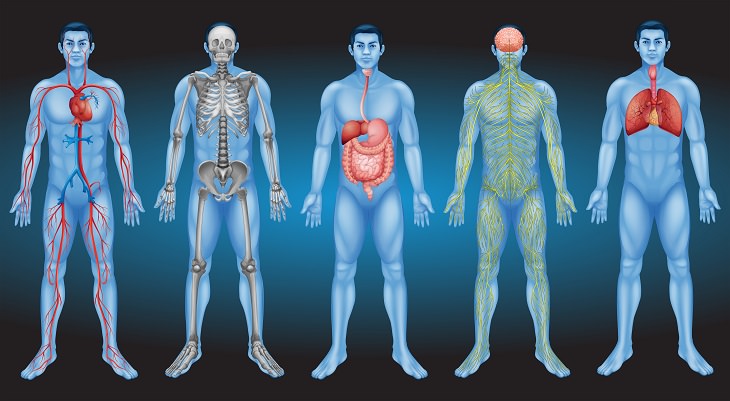
Your body really is the sum of its parts. If one part of your body isn’t working properly, the entire system will get bogged down. But why do we treat the symptoms instead of going to the root of the problem? If a cog in the machine breaks, we fix it, but instead of shutting everything off and putting a patch on an integral part of the chain, why don’t we make sure the chain is strong? Why don’t we ensure that the body is well maintained, oiled, and always topped up with the proper fuel?

A Well-Oiled Machine
alt
Well maintained means rested. Well-oiled means hydrated. Gassed up with proper fuel means eating a diet that is made up of the right foods – alkaline-forming foods. These foods help to create and maintain a healthy pH in the body.

The majority of diseases love acidic conditions and cannot exist when the pH level (the concentration of hydrogen ions in your blood) in the body is alkaline. The pH scale ranges from 0-14, with 0 being highly acidic, and 14 being highly alkaline.

Healthy pH Balance
The perfect pH range in humans is 7.30-7.45, so slightly acidic. However, there’s a problem – our stomachs need acid to break down foods, but this acid helps bacteria, fungi, and viruses to reproduce. The majority of us are not as alkaline as we should be.

However, this is easily rectified. Below you will find 12 ways to balance your body’s pH levels so you can get (or remain) as healthy as you possibly can. An alkaline diet promotes healthier sleep, provides the body with more burnable energy, and is pretty easy to follow.
14 Ways to Balance Your Body’s pH
alt
1. Consume only organic, non-GMO foods. By doing this, you will be able to avoid pesticides, chemicals, and other contaminants that produce acid.

2. Consume alkaline-forming foods. Most fruit and vegetables can be put into this category.

3. Eat less refined flours, sugars, and meats. You should aim to eat only 40-50 grams of protein per day as these acid-forming foods all contribute to a very unhealthy pH balance.
alt
4. Prepare meals intelligently. Combine acidic foods with alkaline foods in order to create a meal that has a perfect balance.

5. Drink 1-2 glasses of apple cider vinegar and water each day. Simply mix 1-2 tablespoons of apple cider vinegar with 8 ounces of water.

6. If you do not fancy the above drink, you can always combine 2 tablespoons of lemon or lime juice with half a teaspoon of baking powder. After the foaming has stopped, add 8-12 ounces of water and drink immediately.

7. You can also try drinking 2 teaspoons of baking soda mixed with 8 ounces of water daily. If you suffer from hypertension or an edema, you should avoid this option, or talk to a doctor first.  
alt
8. Drink a glass of warm lemon water in the morning. To make this drink, juice half a lemon and add it to 8 ounces of warm water. Drinking this first thing in the morning will rid your body of excess acids, creating an alkaline state. The water should always be warm as this will put the least amount of stress on your gut.
9. Eat foods that are rich in potassium. Such foods include lemons, honey, bananas, sweet potatoes, and raw, natural yogurt.
10. Mix 1-2 teaspoons of cream of tartar with 8 ounces of water. This will help your body form an alkaline state, and is especially good when it comes to calming nausea, relieving a headache, or overcoming shock.

11. Drink lots of water every day. This is the best way to ensure that your system is kept well oiled. Drinking water will help you to eliminate waste from your body. You should aim to drink 7-8 glasses of water a day.

12. Take digestive enzyme supplements. This will help to balance your pH levels and help your body to overcome acidosis. The pancreas is the organ that is mostly responsible for digestive enzyme production, so if your pancreas is not functioning properly, your natural enzyme level will not be where it needs to be.
alt
13. Get active. Exercise can help remove the acidic waste that your body naturally creates, creating a more favorable alkaline environment. Even 5 minutes of brief walking can make a big difference, so don’t assume that you need to exercise for an hour to reap any benefits.

14. Snack on raw, unsalted almonds. These nuts are full of natural alkaline minerals such as calcium and magnesium, which help to balance out acidity, while also balancing blood sugar.

4 Internal Reasons for Weight Gain!

There are a load of external reasons for weight gain, but we definitely should not forget about the role of metabolic hormones. If you have a healthy diet and do plenty of exercise, yet still cannot seem to shake off that extra weight, then you might have an internal problem. Below you can find four hormone-related reasons for weight gain.
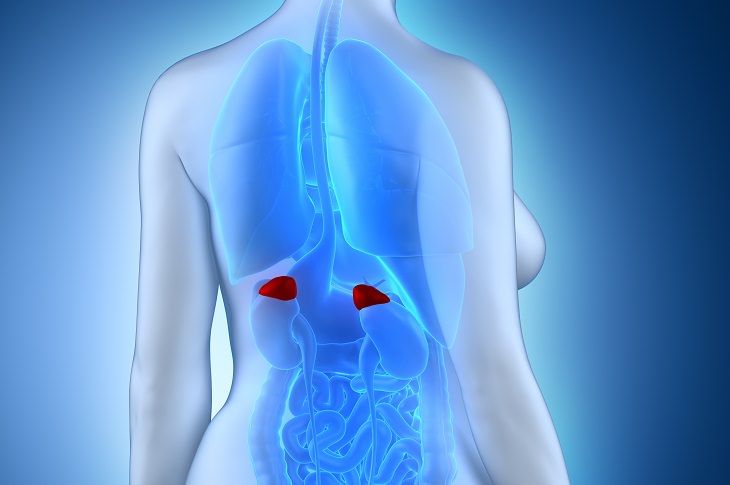
1. Adrenal Weight Gain
alt
The adrenal glands are responsible for the fight-or-flight response to stress. If your body is stressed out too much, you may start to develop a hormonal imbalance, leading to different dysfunctions. Furthermore, adrenal glands also generate cortisol, a stress hormone, an excess of which results in abdominal weight gain.

Symptoms of adrenal gland dysfunction:
• Fat deposits in the abdominal and waist areas
• Fullness of the face and neck, with relatively thinner arms and legs
• Increased blood pressure
• High blood sugar, mood swings, and weak muscles. 
If you suspect your weight gain might be because of your adrenal glands, consult your physician and try to reduce stress, perhaps with yoga or meditation.

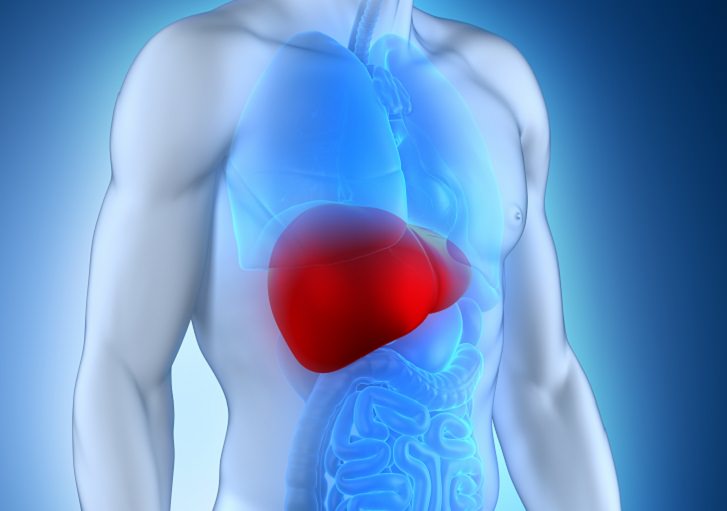
2. Hepatic Weight Gain
alt
The liver is one of the body’s most important organs, and when it starts to malfunction, belly fat will start to accumulate.

The following issues may occur:
• Increased blood sugar
• Joint pain, skin problems, and allergies
• Increased cholesterol levels and blood pressure
If you notice that you’ve started to accumulate fat around your waist without changes to your diet, consult your doctor. It may be that your liver is malfunctioning.
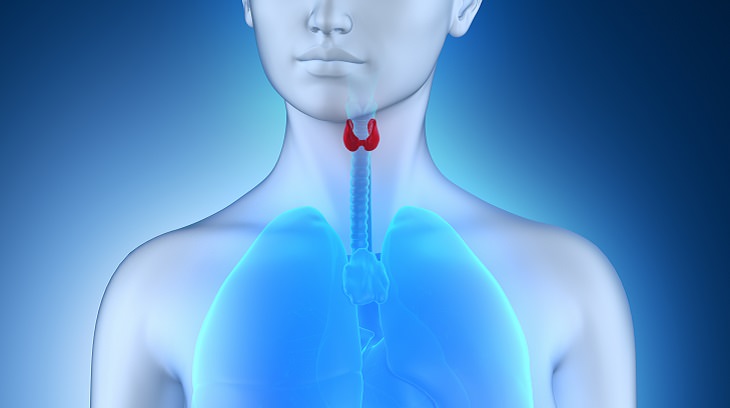
3. Thyroid Weight Gain
alt
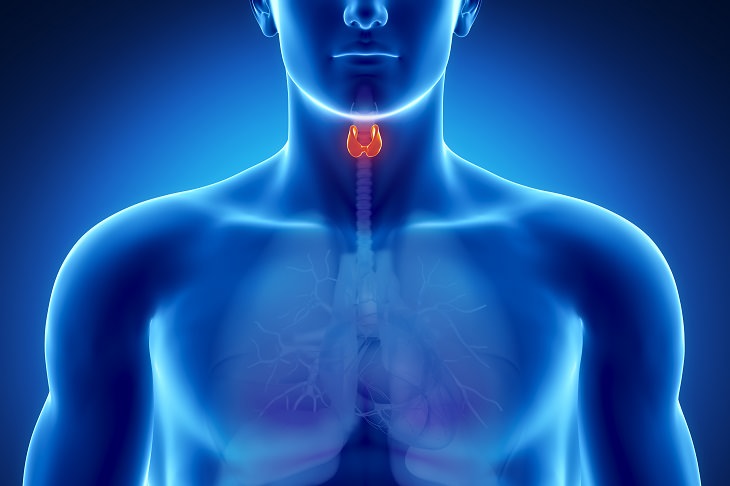
The thyroid is responsible for determining the amount of energy that is used by your body. If your thyroid starts to work improperly, you’ll gain weight even if you have reduced your energy intake.

Signs of a lack of thyroid activity include:
• Lasting fatigue and weight gain
• Weak muscles and lax skin
• Depression
• Hair loss
• Decelerated heartbeat
You should regularly take a visit to your endocrinologist so that they can check your thyroid and take relevant measures if need be.

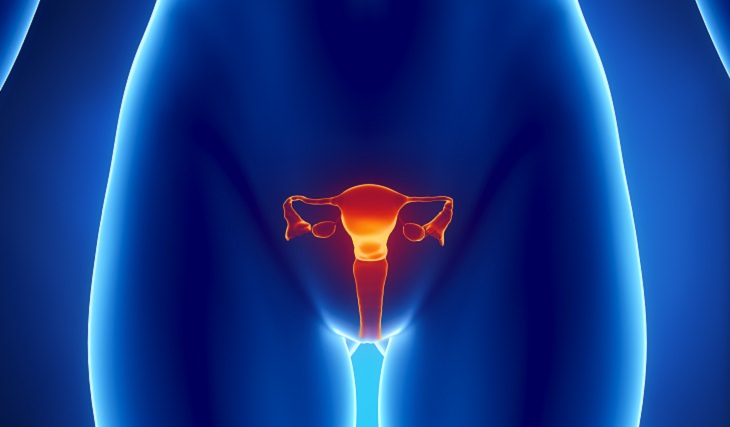
4. Ovarian Weight Gain
alt
This is characteristic of women with a hormonal imbalance. All carbohydrates that are consumed by women are transformed into fat deposits. Therefore, no matter how healthily a woman with a hormonal imbalance eats, she’ll still gain weight.

The following are some symptoms of ovarian dysfunction:
• Weight gain even when dieting and exercising
• A craving for dairy and sweets
• Fat deposits in the lower parts of the body
• Aches and pains in the ovaries
This is not a comprehensive list of reasons for weight gain when you have a healthy diet and lifestyle. Therefore, if you’ve suddenly started to gain weight and can’t lose it, you should consult your physician.

23 August 2017

BEST ASTROLOGER IN THE WORLD
8 Pressure Points That Will Reduce Your Stress in Seconds

We all have our ways of dealing with stress. Some people escape to a sunny beach, some prefer a nice glass of wine, and others even do their best to ignore it. Each way has its advantages (and sometimes disadvantages), but we can’t always do what helps at the exact moment we need to. This is where pressure points become a quick and effective long-term solution. Pressure points are areas in the body that can trigger various effects in our bodies and minds when pressure is applied to them.
The Scalp
Click here to join World Malayali Club
The Scalp is full of pressure points, many that can effectively and discretely reduce stress levels. You can sit at your office desk, lean back and use two fingers to massage the point where the neck meets the skull for about 20 seconds. Much of the stress we accumulate during the day collects in the shoulders and neck muscles, and applying pressure to this point can relieve much of it.
The Ear
Click here to join World Malayali Club
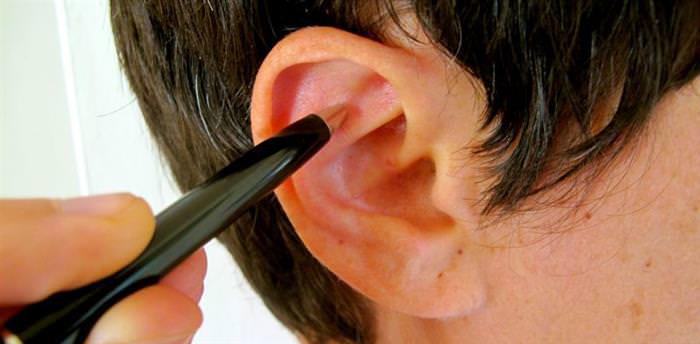
This pressure point is known as Shen Men (The Spirit Gate), and some experts claim it’s the best stress-relieving point in the body. In reflexology, it’s also used to reduce inflammation and pain throughout the body. It’s recommended that you massage this spot with a cotton bud or even a pen, and to take deep, slow breaths during the massage.
Click here to join World Malayali Club
Stress can make us forget to breathe, or take shallow breaths. This point helps reduce the stress that accumulates in your chest, while reminding you to breathe normally again. Use three fingers to massage this point, or one finger to tap rhythmically on the area while taking deep breaths. If you experience chronic stress, combine massaging this point with the point between your eyebrows. The connection between these two points helps to calm the nervous system.
The Stomach
Click here to join World Malayali Club

Many reflexologists prefer to use this point because it helps create movement that frees the chest and diaphragm, which improves the breathing process. Patients who have this treatment instinctively take deeper breaths and almost always report a sensation or relief.
The Forearm
Click here to join World Malayali Club
This is a classic spot for reflexology and acupuncture. Stress and anxiety create reverse energy flow in the body, which this spot is supposed to repair. It helps your energy to move in the right direction while aiding your mental focus and reducing stress.
The Palm
Click here to join World Malayali Club
The moment you press on this spot, you’ll feel your stress evaporating. It is located on one of the most important meridians (an energy channel), which affects the heart, liver, and pancreas. It is believed that much of the stress we experience is stored in the liver, so applying pressure on this point is highly effective. It is also a great spot for treating headaches, stomachaches, indigestion, and insomnia – all of which could be symptoms of stress.
The Calves
Click here to join World Malayali Club
If you feel stress in the upper part of your body, massaging this spot is perfect. The area could be quite tender in people who deal with a lot of stress, and in women in particular.
The Foot
Click here to join World Malayali Club
Pressure on this point can help ease a stressed mind that keeps rethinking whatever it is that causes your stress. Some reflexologists believe that this is the best meridian for treating the pancreas and that its location, in the center of the foot, helps patients reduce stress and provide better attention to their bodies.BEST ASTROLOGER +919445548316

7 Step Breathing Techniques Of Pranayama Yoga!

7 Step Breathing Techniques Of Pranayama Yoga!
Many of us may be uninspired to practice yoga in daily life, wary of the complicated postures and the fact that it cannot be learnt properly unless instructed by a yoga master. These 7 steps of Pranayama, however, are simple, quick and can be easily practiced. The whole procedure takes only 45 min, though it can be extended according to one’s comfort. Rise early, bathe, wear loose and comfortable clothes, sit down on the floor; straight backed and erect, in the cozy comfort of your home and get going.

Step 1: Bhastrika pranayama

Breathe in through both the nostrils, till the lungs are full and diaphragm is stretched. Then breathe out gently. Take deep breaths and then completely breathe out. Continue for 2-5 min. One page is insufficient to elucidate the benefits of deep breathing, which most of us already know very well. The influx of oxygen refreshes the muscles and prepares the body for exercise. While doing this, I also felt myself drifting into a calm meditative temperament, which eased my stress and tension.

Step 2: Kapal Bhati Pranayama

Steady your breathing and while exhaling, sharply push the air out forcefully. Relax. Inhaling takes place on its own as the stomach distends back to normal. Repeat at least 30 times or up to a minute for starters. Later you may advance to 5-10 min. By the end of a kapal bhati session, I could already feel my abdominals and throat tightened. Initially my sneezing problem got aggravated by Kapal Bhati so I had to keep a handkerchief at close quarters. But with practice, this technique works wonders for respiratory problems and blocked nose. It is tricky and it takes a little time to master it. Baba Ramdev has said that this pranayama is an all in one cure & that it helps alleviate obesity, gastrointestinal diseases, uterus problems, diabetes, cholesterol, allergies, asthma, snoring, and aids concentration. However, it is contraindicated for hypertension and heart patients.

Step 3: Bahaya Pranayama

Breathe air out completely, touch your chin to your chest, squeeze your stomach fully and hold this position for a while. A tip is to hold your breath while you let your stomach contract. Then release your chin and breathe in slowly. Repeat the process 3-5 times. You may advance gradually up to 20 repetitions. It is claimed to heal hernia, stomach ailments, uterus prolapse and all urinary and prostate problems. You may feel some pain in the upper part of the sternum or have some difficulty in holding your breath, when you’re starting off with pranayama. Again, people with hypertension and heart problems should avoid this step.

Step 4: Anulom Vilom Pranayama

It is probably the simplest step; at least it was so for me. Hold your right nostril with thumb and breathe in from the left. Now release the thumb and exhale from the right nostril while closing the left nostril with the middle and ring finger. Breathe in from right nostril. Now close it with your thumb as described previously and exhale from the left nostril. Easy? Repeat the steps for a duration of 10 min. Make sure you expand your chest while breathing, and not the stomach. Do this step slowly and do not hurry.

Step 5: Bharamari Pranayama

Close ears with thumb, with the index finger on the forehead, and the rest three on the base of the nose touching the eyes. Breathe in completely and deeply. Now breathe out through nose while humming like a bee. Repeat it for 10 min. It alleviates tension, hypertension, heart ailments, paralysis, migraine, and improves confidence & concentration.

Step 6: Udggeth Pranayama

Inhalation and exhalation should be long, slow, soft and subtle. Inhale slowly and when ready to exhale, chant Om slowly and steadily. With practice, lengthen the entire procedure to last one minute or more. Visualize the breath entering and moving inside the body. Repeat for 10 min. This is good for insomnia, deepening the quality of sleep and relieving nightmares. It helps you focus steadfast on to any task at hand. For me, it improved my Kabaddi playing!

Step 7: Pranav pranayama

Close your eyes and sit quietly. Breathe in naturally for 2-3 min or more. At this point, your body has prepared your mind for a tranquil meditative posture. Revel in the feeling and realize your spiritual calling. This delightful end result is the gift of the above 6 steps.

Pranayama is best practiced early in the morning when the air is still fresh and the stomach empty. Some people have even harnessed this science and art to lose weight. Who knows what it may do for you!
Amazing health benefits of Watermelon!
 

Watermelon and Summer are inseparable, one of the best thrust quencher in summer, having 92% of water, full of health benefits with Zero calorie, Zero fat and Zero cholesterol. It is abundant with some of the best anti-oxidants that helps to fight free radicals of the body thereby prevent from various diseases. It cuts the risk of cancer, diabetes, asthma, rheumatoid arthritis, etc.

Watermelon has viagra-effect
According to the scientists, watermelon has bioactive compounds that produce Viagra like effect in the body. It may also increase libido. Due to the presence of lycopene, phyto-nutrients – citrulline, arginine, it relaxes blood vessels, much like Viagra does. Arginine also prevents erectile dysfunction. Watermelon: Best Health benefits, Viagra effect, Glowing skin.
 
Watermelon reduces the risk of cancer
Watermelon has adequate amount of Vitamin A and Beta-carotene, also contain good percentage of lycopene, an antioxidant which is greatly reduces the incidence of prostate cancer. It prevents breast cancer, colon cancer and endometrial cancer too.

Watermelon lowers blood sugar
It lowers blood pressure due to presence of Potassium and Magnesium thereby adjusting the electrolyte and acid-base mechanism. These minerals regulates the functioning of Insulin thus reduces blood sugar level. Arginine presents in watermelon too enhances the sensitivity of Insulin.

Watermelon fights depression
Watermelon is a mood booster and mood elevator because of containing Vitamin B6. Scientific studies have proved that the person who is suffered from depression and anxiety have the lower level Vitamin B6. Vitamin B6 acts as a neurotransmitter by producing serotonin in the body.

Full of Anti-oxidants
Watermelon is packed with best of the best antioxidants. These antioxidants are extremely beneficial to control and fights free radicals of the body thereby helpful in checking from so many diseases. Due to plentiful of antioxidants, it also acts as anti-ageing.

Watermelon good for heart disease
Watermelon has lycopene, an antioxidants, has the full ability to neutralize free radicals. Free radicals are the source of many diseases. Lycopene helps to reduce cholesterol thereby ease good flow of blood in the blood vessels and reduces the risk of Cardiovascular diseases. It has also been proved by scientific research.

Watermelon is good for kidney
Watermelon is the good source of Potassium that helps to release kidney toxins. It also reduces the concentration of uric acid in blood and provide fresh environment to the kidney.

Watermelon for glowing skin
Watermelon is good for your skin as it is the rich source of Vitamin C and A. Abundance of these vitamins enable skin to heal wounds and injuries.

Watermelon for weight loss
Watermelon constitutes of 92 per cent of water. After taking proper quantity of it, reduces the desire of more eating, thus one can skip from overeating and also effective for obesity patients. Since, it is low in calories, so it is a good option in shedding weight.

Watermelon prevents cough
Watermelon is abundant with vitamin C. Vitamin C, as well as all the citrus fruits are known for immunity developer thereby helps to minimise cold and other illnesses.

Watermelon helps in digestion
Watermelon is a good source of thiamine, known for appetizer, increases appetite and thus good for digestion.

Good for eye and vision
Watermelon contains Vitamin A and Beta carotene which is good for overall development of eye and vision. It also protects against muscular degeneration.

Watermelon prevents from UV rays
Watermelon is abundant with water, fibre, lycopene, and other vitamins. All these help to minimize the impact of Ultra Violet rays to a greater extent on the body.

The Health Benefits of Cabbage Juice!

Cabbage juice is not the most common vegetable juice available, but it happens to be full of beneficial antioxidants, nutrients, and minerals. In fact, a single glass of cabbage juice provides a significant amount of vitamins A, B, C, K, and E, potassium, iron, phosphorus, glutamine, iodine, and a range of phytonutrients, antioxidants, and enzymes. Below you’ll find 8 amazing health benefits of cabbage juice:
alt1. Improves Skin Health
Cabbage juice is full of antioxidants, including vitamin C and E, all of which help to improve the health and appearance of your skin. This juice will flush out free radicals from the skin’s surface and will reduce signs of aging, such as wrinkles and blemishes, while leaving your skin with a healthy glowing appearance.
2. Helps You Detoxify
Famed as a diuretic, people have been drinking cabbage juice to eliminate toxins from the body for centuries. Glucosinolates are present in cabbage juice, which helps eliminate toxins, unnecessary hormones, and enzymes from the body. Furthermore, it also helps to flush out the liver and kidneys, which removes more damaging toxins from the body.
3. Lowers Cholesterol
A number of studies have found that regular consumption of cabbage juice can help lower your LDL cholesterol levels, which is the type of cholesterol that can lead to heart issues. By balancing your cholesterol levels, this juice can help with weight loss, and improve heart health.
4. Helps with Weight Loss

alt
Cabbage juice is really low in calories, coming in at only 18 calories per glass. However. This juice is also nutrient-dense which can make your body feel full. This will decrease your risk of snacking between meals and overeating, making this type of juice an ideal part of a weight-loss diet.
5. Prevents Stomach Issues
Cabbage juice balances the acidity levels in the stomach and can reduce the presence of stomach ulcers. Due to the sulforaphane and other natural enzymes present in cabbage juice, the mucus lining of your stomach will be strengthened and it will be harder for peptic ulcers to form. In fact, studies have shown that 4-6 cups of cabbage juice a day can eradicate stomach ulcers in under 2 weeks.
6. Acts as a Brain Booster
Research has linked some of the ingredients in cabbage juice, namely vitamin K and anthocyanins, to improved brain function and lower depositions of plaque in the neural pathways. In combination with the other antioxidants, you can decrease your risk of Alzheimer’s and other neurodegenerative disorders.
7. Lowers Blood Pressure
This juice offers a healthy dose of potassium, which means it lowers blood pressure due to potassium’s function as a vasodilator. This can reduce strain and tension in your blood vessels and arteries, which thereby lowers your risk of atherosclerosis, stroke, and heart attack, while also improving muscle function and nervous system communication.
8. Prevents Cancer
alt
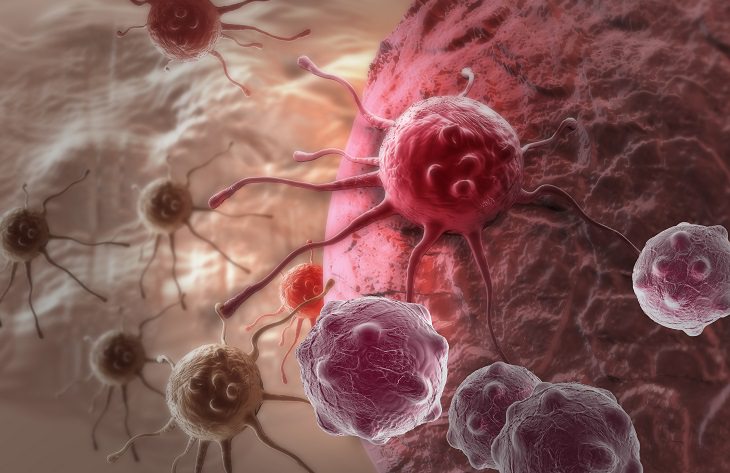
There are a range of unique antioxidants in cabbage juice, including sulfuric compounds and isocyanate, both of which can prevent carcinogens from negatively impacting cells and preventing oxidative stress. Research has linked these ingredients to decreasing the risk of certain cancers, including colon, prostate, and stomach.
Side Effects of Cabbage Juice
There are very few side effects to drinking cabbage juice, although it should be noted that some people experience an increase in gas and bloating, while some others report an increase in gut inflammation. Finally, when drunken in excess, the level of iodine could potentially disrupt thyroid function. Most of the following side effects can be avoided if you drink it in moderation.
1. Flatulence and Bloating
The sulfuric compounds may interact with the bacteria in your gut, resulting in an increase in gas. This can lead to bloating and discomfort, which rarely lasts very long. You should drink a smaller amount of cabbage juice if you experience this side effect.
2. Irritable Bowel Syndrome
People who have IBS have reported that drinking more than the recommended amount of cabbage juice results in a worsening of symptoms, including diarrhea, discomfort and inflammation of the gut.
3. Thyroid Function
alt
If you drink a huge amount of cabbage juice, there’s the chance that it could affect your thyroid gland. While iodine is essential for the production of hormones and the regulation of the thyroid, too much is dangerous. If you have hyper/hypothyroidism, speak with your doctor before adding cabbage juice to your diet.
How to Make Cabbage Juice
Since cabbage juice is a difficult to find in most grocery stores, making your own at home is a popular method. Furthermore, as cabbage juice is bland, it’s best to add some extra fruits, vegetables, and spices to your juice.
Ingredients
• 1 medium-sized green/red cabbage, chopped and cubed
• ½ apple, peeled and cored
• 1 inch of fresh ginger root, peeled and sliced
• 1 lemon, peeled
• 1 cup water, filtered
Method
1. Wash and prepare all the ingredients (slice, core, peel, and chop).2. Add all the ingredients to a blender, and blend for 2-3 minutes until the consistency is a smooth puree.3. Place cheesecloth over the top of a bowl or container, and strain the cabbage mixture through the cheesecloth.4. Press or squeeze the cheesecloth to get all remaining juices into the container.5. Serve chilled, garnish with a cabbage leaf and enjoy.