This is default featured slide 1 title

Go to Blogger edit html and find these sentences.Now replace these sentences with your own descriptions.This theme is Bloggerized by Lasantha Bandara - Premiumbloggertemplates.com.

This is default featured slide 2 title

Go to Blogger edit html and find these sentences.Now replace these sentences with your own descriptions.This theme is Bloggerized by Lasantha Bandara - Premiumbloggertemplates.com.

This is default featured slide 3 title

Go to Blogger edit html and find these sentences.Now replace these sentences with your own descriptions.This theme is Bloggerized by Lasantha Bandara - Premiumbloggertemplates.com.

This is default featured slide 4 title

Go to Blogger edit html and find these sentences.Now replace these sentences with your own descriptions.This theme is Bloggerized by Lasantha Bandara - Premiumbloggertemplates.com.

This is default featured slide 5 title

Go to Blogger edit html and find these sentences.Now replace these sentences with your own descriptions.This theme is Bloggerized by Lasantha Bandara - Premiumbloggertemplates.com.

17 February 2018

Advice to handle family disputes out of my experience Astrovighnesh

1.  Don't encourage your son and his wife to stay under same roof with you.   Best to suggest them to move out, even to the extent of renting a house.  It's their problem to find a separate home.  More the distance between you and your children's families,  the better is the relationship with your in laws
 
2. Treat your son's wife as his wife, not as your own daughter, maybe just treat her as a friend. Your son would always be your Junior  but, if you think that his wife is of the same rank and if you ever scolded her, she would  remember it for life.

In real life, only her own mother and not you will be viewed as a person qualified to scold or correct her.

3.Whatever habits or characters your son's wife has is not your problem at all,  it is your  son's problem. It isn't  your problem as he is an adult already

4.Even when living together, make each others businesses clear, don't do their laundry, don't cook for them and don't baby sit their children. Unless, of course, there is a special request by your son's wife and you feel that you're capable and don't expect anything in return.
 

Most importantly, you shouldn't worry about your son's family problems.
Let them settle themselves.

5.Pretend to be blind and deaf when your son and his wife are quarrelling.   It's normal that the young couple do not like their parents to b involved in the dispute between husband and wife.

6. Your grandchildren totally belong to your son and his wife. However they want to raise their children,  it is up to them.  The credit or blame would be on them.

7. Your son's wife need not necessarily  respect and serve you. It is the son's duty.  You should have taught your son to be a better person so that you and your son's wife relationship could be better.

8. Do more planning for your own retirement, don't rely on your children to take care of  your retirement. You had already walked through most of your journey in life, there are still a lot of new things to learn through out the journey
It is your own interest that you enjoy your retirement years.  Better if you could utilise enjoy everything that you had saved before you die.  Don't let your wealth become worthless to you.

9. Grandchildren don't belong to your family, they're their parents precious gift.

The above message is not only for you, please share it with your friends,  parents, in-law, uncles, auntie, husband or wife to find peace progress in life.

12 February 2018

10 Simple Eye Exercises! - Astrologer Vighnesh

10 Simple Eye Exercises!

As simple as exercising your eyes may be, it is something that few of us do. While it may seem unnecessary at first, exercising your eyes helps maintain great vision. Here are 10 exercises that you should do on a daily basis. They won't take you longer than 10 minutes:

1. Regulate blood circulation in your eyes by blinking for two minutes.
eye exercises2. Maintain blood circulation by rotating your head from right to left, then up and down. Keep your gaze fixed. 
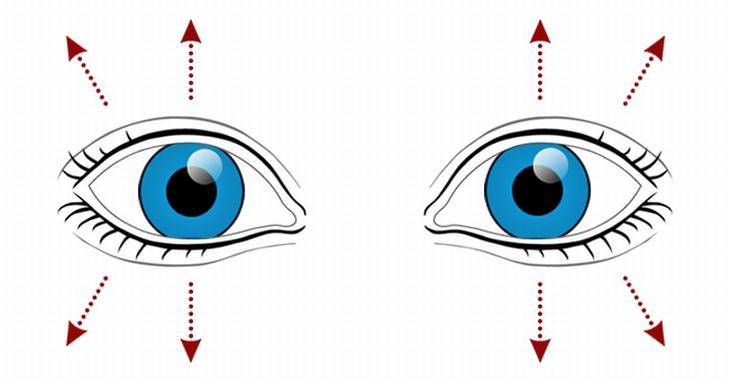
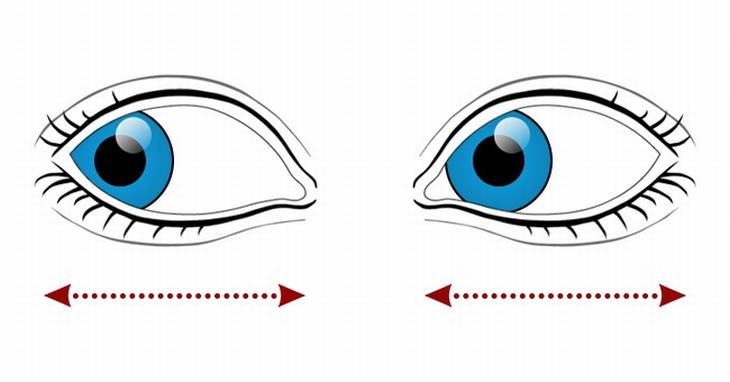
3. Look to your right, then slowly move your gaze to the left. Slowly repeat on the opposite side. 
eye exercises
4. Close your eyes and relax. The darkness is believed to help strengthen the photoreceptor cells in your eyes, maintaining clear vision. 
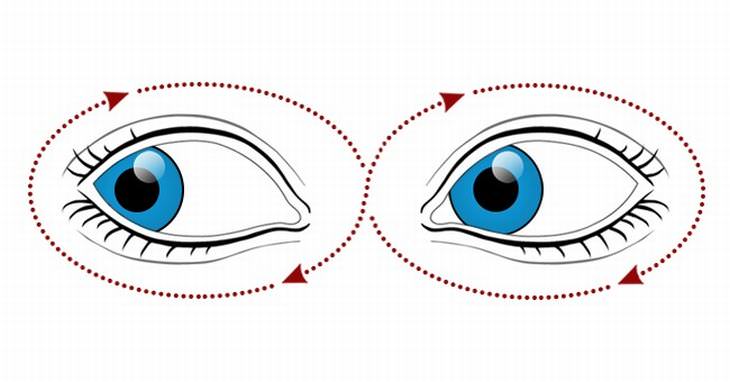
5. Move your gaze in various directions. Look right to left, up and down. Then rotate your eyes in a circular motion. Complete your exercises by drawing a figure eight.
eye exercises
6. Relax your eye muscles, while increasing blood circulation to your eyes by closing your eyes tight for three to five seconds, then open them.
7. With your fingers, lightly push against your temples. Keep this pressure for around two seconds, and repeat the exercise four to five times. 
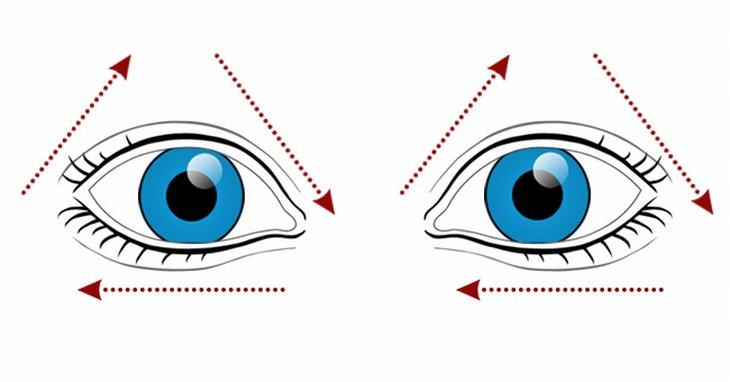
8. While keeping your eyes open, draw simple geometric figures with your gaze..
eye exercises
9. Keep your eyes closed and gently move your eyeballs up and down, repeating this exercise five to ten times.
10. The below exercise will strengthen your vision:

  • Sit or stand in front of a white wall and place your thumb about 10 inches in front of your face. Focus on your thumb for 10 to 15 seconds.
  • Next, focus on an object that is 10-20 feet in front of you without moving your head. Keep your gaze focused for 10 to 15 seconds.
  • Bring your gaze back to your thumb, holding for 10 to 15 seconds.
  • Practice this exercise for a total of five times.

06 February 2018


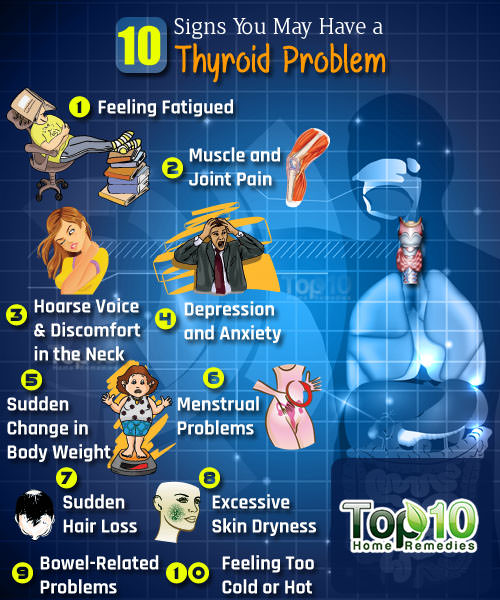
TenSigns That You MayHave aThyroid Problem Astrologer Vighnesh

It is believed that up to 59 million people suffer from a thyroid problem in the USA alone, yet estimates suggest that up to 60% of sufferers are not even aware that they have an issue.  This is believed to be because the signs and symptoms are so common they are easily ignored, misdiagnosed or attributed to every day problems we all suffer from.  If you have a thyroid problem it can affect all parts of your wellbeing and it is important that you are aware of the symptoms so that you can ask your doctor to test your thyroid and discuss treatment options.
What is the Thyroid?
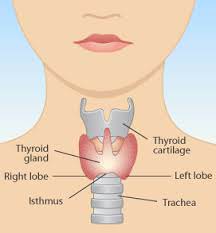
Thyroid Gland
The thyroid is a small, butterfly shaped gland in the neck that is essential for regulating the body's metabolism, or the way that it produces energy.  Its role contributes to the effective functioning of a number of important organs, including the brain, liver, kidneys and skin.  It also affects critical functions of the body, such as energy levels and heart rate. Put simply, your body's overall health is hugely dependent on a healthy, functioning thyroid.  If there is something wrong, it can affect your emotional, physical and mental wellbeing in numerous ways.
What Sort of Thyroid Problems Can Develop?
Thyroid problems are very common in both men and women and include goiters, thyroid nodules, thyroiditis and thyroid cancer. However, the most common types of thyroid complaints are hypothyroidism, or an underactive thyroid, and hyperthyroidism, or an overactive thyroid. An underactive thyroid will make sufferers feel tired and slow, while an overactive thyroid causes feelings of restlessness, irritation and insomnia amongst other symptoms.
So What Signs Should I Look You For?
There are numerous indicators of an underlying thyroid problem.  Here is our list of ten signs you should look out for:
Thyroid Top 10 Problems
1. Do You Feel Unusually Tired?
Feelings of exhaustion and unexplained levels of fatigue are common indicators of a thyroid problem. If you feel tired even though you have had a good night's sleep, it could be a sign of a underactive thyroid.
Alternatively, if you are suffering from an overactive thyroid, you may find it difficult to sleep at night and 'switch off', leaving you feeling tired and restless during the day.
2. Have You Noticed a Sudden Change in Body Weight?
Unexplained weight gain can be a sign of an underactive thyroid.  If you put on weight despite following a healthy living plan, it may indicate low levels of thyroid hormones. This can ensure the body is unable to 'burn' all the calories it consumes.
On the other hand, if you find you are losing weight despite not having made any other lifestyle changes, it could indicate that you have an overactive thyroid which is producing more hormones than the body needs. This can also lead to a decreased appetite.
3. Are You Feeling Depressed or Anxious?
Depressed man
Are you experiencing depression, anxiety and panic attacks and can't explain why? These can also point to a thyroid problem.
Depression is linked to an underactive thyroid, while feelings of anxiety and sudden panic are common consequences of an Overactive Thyroid.
Depression and Anxiety can be caused by a number of factors and do not indicate a thyroid problem on their own, but you should look out for the signs.
4. Have You Noticed a Change in Your Menstrual Cycle?
Women often experience issues related to their menstrual pattern if they have a thyroid problem. More prolonged periods including heavier bleeding and greater pain are often signs of an underactive Thyroid. Alternatively, shorter, more infrequent periods with blood flow can be attributed to an overactive thyroid.
5. Are You Experiencing Unexplained Hair Loss?
Hair loss from the head as well as the eyebrows and other body parts can be a symptom of an underactive thyroid.  Hair may also feel dry, coarse and brittle. Thinning hair around the crown and a dry, flaky scalp can also be signs of an overactive thyroid.
6. Are You Feeling Overly Hot or Cold?
The thyroid contributes to the regulation of the body's temperature, so feelings of hot or cold which are not seemingly related to air temperature can be a sign of a problem. If you consistently have cold hands and feet or find yourself feeling chilly even when in a warm room, you could be suffering from an underactive thyroid.
Alternatively, if you find yourself sweating excessively or unable to tolerate normal levels of heat, it could be that you have an overactive thyroid.
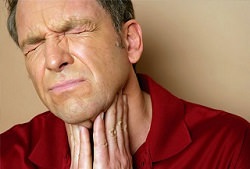
7. Do You Have Discomfort in Your Throat?
Sore throat
The thyroid is located in the neck, so direct pain can result from it swelling or becoming enlarged. An enflamed thyroid is called a goiter and can be caused by either an underactive thyroid or an overactive thyroid. 
Other symptoms associated with the inflammation of the thyroid include a croaky or hoarse voice or an increase in snoring.
8. Do You Have Problems Digesting Food?
Digestive problems such as constipation, diarrhea or Irritable Bowel Syndrome may all relate to a badly functioning thyroid. The thyroid hormones directly impact bowel movements and inhibit the body's ability to process food and create waste. If you have a healthy diet but suffer from severe constipation, it could be linked to an underactive thyroid. Diarrhea and IBS, on the other hand, can point to an overactive thyroid.
9. Is Your Skin Irritable?
The hormones released by the thyroid gland directly control the functioning of the skin.  This means that skin complaints can often be attributed to underlying thyroid problems. If you have an underactive thyroid, your skin may change colour slightly, become drier and more scaly, and eczema can appear.  
If you have an overactive thyroid, you tend to sweat more and your skin can become irritated and itchy.
10. Do You Have Pain or Weakness In Your Muscles and Joints?
Muscle Pain
If you have unexplained weakness in your arms and legs, or noticeable aches and pains in your muscles and joints, you could have an underlying thyroid problem.
Cramps, stiffness and general joint pain in the arms and legs are all symptoms related to an underactive thyroid. 
Muscle weakness, particularly in the thighs and upper arms are signs of an overactive thyroid.  If you find it difficult to climb the stairs, lift your arms over your head or hold your hand steady, you could have an underlying issue.
See our Symptoms Checklist!
So there are a number of signs that indicate a thyroid problem and if you are experiencing some of them, it may be worth asking your Doctor for a diagnosis. Compare any symptoms you may have with our checklist below and make sure you look after your health.
Underactive ThyroidOveractive Thyroid   
Fatigue and TirednessDifficulty Sleeping
Weight GainWeight Loss
DepressionNerves and Anxiety
Longer, heavier periodsLighter, shorter periods  
Cold hands and feetExcessive Sweating 
Dry, discoloured skinItchy skin
Neck discomfortNeck discomfort
ConstipationDiarrhea or IBS
CrampsMuscle weakness
Joint pain & stiffnessShaky hands

03 February 2018

How Well You Breathe, has an Effect on your Health

Relaxing techniques through breathing exercise.  You can learn from Vighnesh K.V. through video session. 'Conscious breathing heightens awareness and deepens relaxation'  
Five seconds ago I wasn’t consciously aware of my breath, until I read this quote. Upon doing so, it got me thinking that when it comes to certain body functions, we rarely give them much thought at all: digesting food, our heart beating, breathing - our bodies tend to manage all of these functions without us having to be consciously aware of the need to do so. Even when such systems are not working as efficiently as they should be, we don’t take any notice, and the act of breathing - something we do thousands of times every day - is a great example of this.
Breathing
The average person generally takes a little over 17,000 breaths per day, and when done correctly, proper breathing has a number of benefits: 
  • It provides sufficient oxygen to every cell in the body. In fact, without sufficient oxygen, the cells cannot metabolize food properly and so nutrients, including vitamins and minerals, are often wasted.
  • It allows the body to rid of carbon dioxide.
  • The brain also requires a rich supply of oxygen, which in turn improves concentration and general clarity of thought.
  • It improves stress management and the ability to handle complex situations more effectively.
  • Mindful breathing detoxifies and releases toxins, as well as tension.
  • It relaxes the mind and body, and relieves emotional tension and pain.
  • Conscious breathing elevates moods.
  • It also improves the nervous system and strengthens the lungs.
  • Mindful breathing helps lower blood pressure and boosts energy levels, improving stamina.
  • Quality of blood is also improved as is the strengthening of the immune system and the heart. 
Still, for most of us, our breathing has become habitually restricted in various ways, and we are not even aware of it. This, more often than not, lies in our posture. Slouching positions diminish our lung capacities causing our breaths to become shorter and more shallow, with breathing only derived from the upper chest. We therefore end up by using just a small fraction of our lung capacity. In contrast, when we are relaxed but don't slouch, the free and easy expansion and contraction of the lungs, diaphragm, ribcage and spine is enhanced during breathing, thereby increasing the volume of air that we inhale or exhale. 
So, to help you reap in the benefits of conscious breathing, we recommend you try these top three breathing exercises, starting with the 'Deep, Full Breath', before progressing on to the other two when you feel comfortable enough to do so.
Deep, Full Breath
Deep breath
When breathing deeply and fully, inhalation happens in three stages. 
Here’s How:
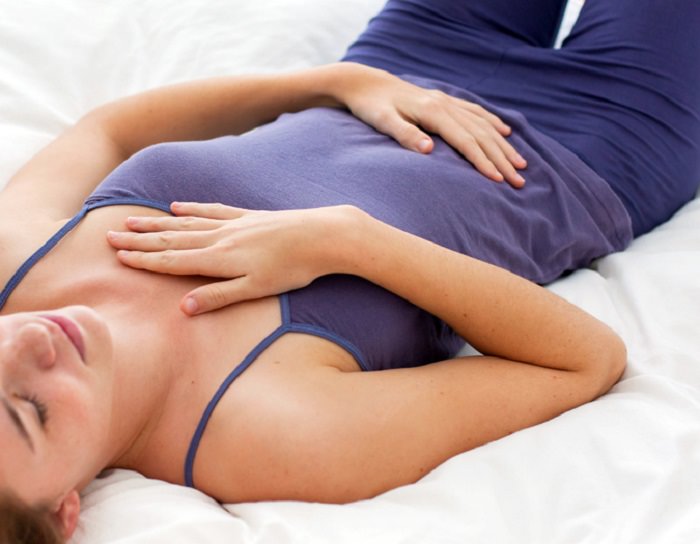
  • Sit down comfortably or lie down on the floor. Place your hands on your stomach to feel your breath expand. You may also place one hand on your belly and the other on your chest, doing so will allow you to feel your breath rise and fall.
  • Breathe in, through the nose, slowly, inhaling as much as possible. Fill the diaphragm area. Keep breathing in slowly, filling the chest.
  • Finally raise the clavicles to allow the as much air to enter as possible. This will ensure that the body gets an increased amount of oxygen, which it will use to burn up nutrients delivered to the body tissues. The brain will also benefit from the added oxygen and a general feeling of relaxation and well-being will be achieved.
  • Then, hold the breath for a few seconds, as this will allow the lungs to use up as much of the inhaled oxygen as possible.
  • Exhale very slowly, emptying the lungs completely. This will expel the maximum amount of carbon dioxide. This will leave the lungs ready to take in extra oxygen during the next breath.
  • Use this type of breathing several times a day to get used to breathing correctly, or at the first sign of anxiety or a panic attack. 
Hissing breath
Hissing breath
This relaxing breathing technique has many benefits for the mind and body. It quietens the brain, while slowing and soothing the flow of breath. It also has positive effects on the body too, reducing heat in the head and alleviating diseases related to the breath and lungs such as asthma and tuberculosis. Just be careful not to tighten your throat. 
Here’s How:        
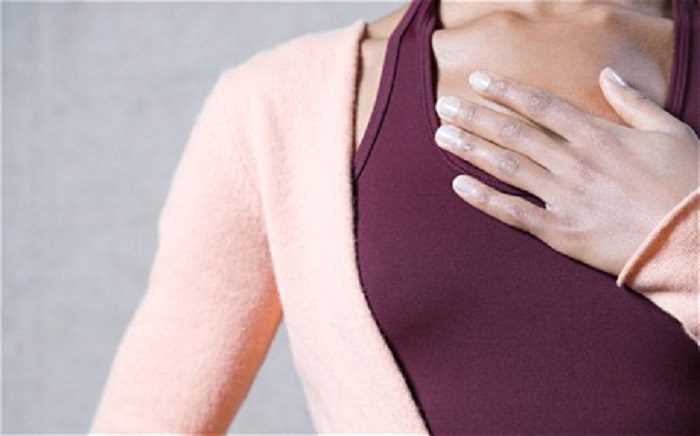
  • Sit comfortably, with your spine erect. Place your right hand at the base of your neck.
  • Start inhaling slowly through both nostrils, mouth closed.
  • The incoming air should be felt at the upper palate of the mouth, which is enabled by partially closing the glottis (the opening between the vocal cords at the upper part of the windpipe).
  • When done correctly, you will hear a hissing sound, produced at the back of the throat, which produces a sound similar to that of a scuba diver.
  • Exhale slowly, also through the nostrils, and continue to make a hissing sound at the throat, by once again, contracting the glottis.
  • This completes one cycle, and you can repeat it up to ten times.  

Alternate Nostril Breathing
Alternate nostril breathing
This breathing technique helps balance the left and right hemispheres of the brain, as well as the whole body. It is the perfect breathing exercise to counteract laziness and also aids in blood purification. Among its many benefits, alternate nostril breathing is good for nose blockages and sinuses.
Here’s How:
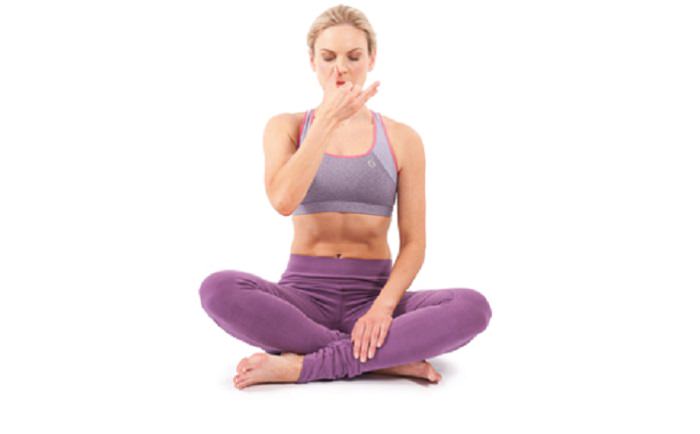
  • Sit in a comfortable cross-legged position, spine erect. Exhale completely.
  • With your left hand, connect your index and thumb together, keeping the other three fingers extended. This finger technique is done to help keep the mind focused. 
  • With your right hand, palm facing up, bend and draw in your index and middle finger, keeping your thumb, ring and little finger extended.
  • Close the right nostril with the thumb of the right hand.  Inhale slowly, steadily and deeply for as long as possible. Do not hold the breathe. Release your thumb and simultaneously close the left nostril using your ring finger, exhaling through the right nostril. Inhale once again through the right. At the top of your inhalation, close the right nostril, and repeat the process again on the left (exhaling then inhaling).
  • Be sure to inhale and exhale from each nostril for the same duration. It is therefore recommended that you count your breaths – example: 4 seconds inhaling, 4 seconds exhaling.
  • Repeat for 5 minutes.
  • Astrologer Vighnesh phone: +91 9445548316 / US (425) 358-6565  www.astrovighnesh.com