11 January 2020
Astrologer Vighnesh India: +91 8778336835 USA: +1 (425) 358-6565 / +1 (716) 777-3857 Wat'sapp.. Consultation by web appointment www.astrovighnesh.com
Astrologer in US : #Astrologer in USA : #Astrologer in India : #Astrologer in Chennai : # Best Astrologer in :#Pancha Pakshi Astrology : #Astrologer in Malaysia : #Astrologer in Sri Lanka : #Astrologer in Dubai and UAE
The
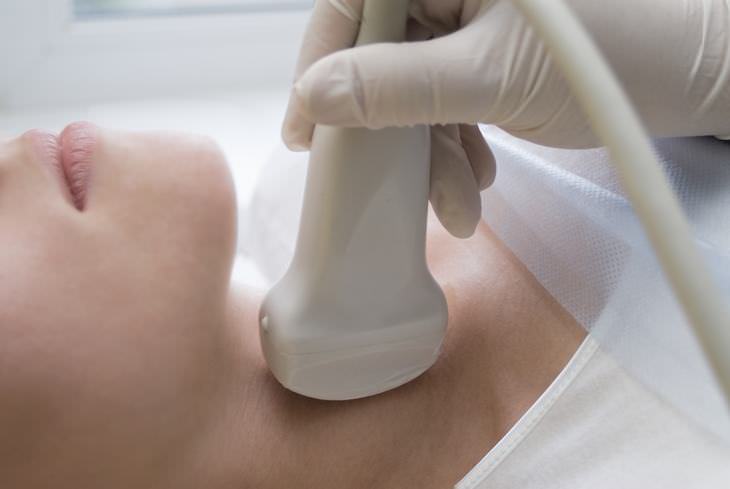
thyroid, a small gland that sits around your windpipe under your larynx (voice box), secretes hormones to control the body's metabolism. This gland is susceptible to malfunctioning and when this happens, it acts in different ways depending on whether it's
producing the hormone in excess, known as hyperthyroidism, or not producing enough of it, hypothyroidism. Take a look at this list of symptoms of both thyroid conditions so that you can become aware of a malfunctioning thyroid. If something may be wrong, be
sure to visit a doctor as soon as possible.

Hypothyroidism
is a condition in which the thyroid gland does not produce enough thyroid hormone. A likely cause of hypothyroidism is a deficiency of iodine. Generally, hypothyroidism is more common in women than in men, with women over the age of 60 being most susceptible.
You
feel lethargic: The thyroid gland produces hormones that control the way the body uses energy. Underproduction of hormones can lead you to feel depressed and sluggish.
A
change in your voice: The thyroid gland and the larynx (the voice box) are located close to each other. It is likely that a dysfunction of the thyroid gland can affect the larynx, causing issues with your voice.
Thickened
skin and thinning eyebrows: Fluid retention is a symptom of hypothyroidism and can cause pain in the muscles and joints. It often manifests around the ankles and feet and worsens with physical activity.
Poor
hearing: While the reason may not be completely known, research has clearly identified links between thyroid malfunction and the loss of hearing.
Loss
of libido: Hypothyroidism causes the metabolism to slow down, meaning that the reproductive organs slow down as well. This can lead to less production of sex hormones thereby affecting the libido.
This
condition is caused by excessive production of the thyroid hormone in the body. 60-80% of hyperthyroidism cases in the U.S. are caused by Graves' disease. Other causes include multinodular goiter, toxic adenoma, inflammation of the thyroid, and an excessive
amount of iodine in the diet. Its occurrence is around 2 to 10 times more widespread in women.
An
increase in appetite: This can be a sign of hyperthyroidism as the excessive release of the thyroid hormone in your body may make you feel hungry all the time. The upside to this is that the excess food intake doesn't necessarily make you gain weight
since the increased metabolism of the body offsets it.
Excessive
urination: A faster metabolism means an increased blood flow and this makes your kidneys filter more, so more urine is produced.
Excessive
thirst: Hyperthyroidism causes excessive urination. Your body needs to replenish its water levels and this makes you crave more water.
Hand
tremors: It's normal to experience mild tremors while keeping your hands and forearms in the same position for long. Yet, as hyperthyroidism speeds up almost all metabolic functions and puts the body in fast-forward mode, the length of time after
which the hands would normally start trembling gets reduced. This causes noticeable tremors in the hands and the forearms.
Bouts
of an excessive sex drive: With an increase in metabolism, hyperthyroidism can cause bouts of an excessive sex drive.

Lifestyle
Tips for Hypothyroidism: Follow a healthy diet of vegetables, fruits, whole grains and lean protein. To keep your energy levels stable, eat small meals throughout the day. Weight gain is a common symptom of hypothyroidism, so eating healthy can help
you manage weight gain. You should also follow an active lifestyle as exercise can help you manage your weight as well as boosts up energy levels and decreases stress which is especially important if you have hypothyroidism.
You
can also practice yoga and meditation. As hypothyroidism can lead to lethargy and depression, both meditation and yoga can help you in your battle against these conditions. Another factor you can incorporate is going to bed early. When you feel lethargic and
low in energy, common symptoms of hypothyroidism, give your body the sleep it needs to replenish this energy.
Lifestyle
tips for hyperthyroidism: Firstly, avoid iodine. People with hyperthyroidism should not eat foods high in iodine and should also avoid milk and other dairy products. It is also suggested that fish, sushi, shellfish, and seaweed should be avoided.
Practicing meditation will also help. As an overproduction of thyroid hormones results in more brain stimulation causing sufferers to feel jittery or anxious. Finally, be sure to drink water as hyperthyroidism causes you to lose a lot of water through urination.

07 January 2020
Gastric Obstruction – Causes, Symptoms Treatments!
Astrologer Vighnesh India: +91 8778336835 USA: +1 (425) 358-6565 / +1 (716) 777-3857 Wat'sapp.. Consultation by web appointment www.astrovighnesh.com
Astrologer in US : #Astrologer in USA : #Astrologer in India : #Astrologer in Chennai : # Best Astrologer in :#Pancha Pakshi Astrology : #Astrologer in Malaysia : #Astrologer in Sri Lanka : #Astrologer in Dubai and UAE
Your
bowels are tasked with removing waste and toxins from our body, as well
as absorbing salts, liquids, nutrients, indigestible vitamins. They do
it to extract all possible nutrients that weren’t digested in the
stomach and maintain the balance of electrolytes in our system.
Astrologer in US : #Astrologer in USA : #Astrologer in India : #Astrologer in Chennai : # Best Astrologer in :#Pancha Pakshi Astrology : #Astrologer in Malaysia : #Astrologer in Sri Lanka : #Astrologer in Dubai and UAE
Your bowels are tasked with removing waste and toxins from our body, as well as absorbing salts, liquids, nutrients, indigestible vitamins. They do it to extract all possible nutrients that weren’t digested in the stomach and maintain the balance of electrolytes in our system.
When
your bowels are not functioning well, they collect the waste and toxins
they’re supposed to get rid of, resulting in various diseases and
health issues. If left undiagnosed and untreated, obstructed bowels lead
to kidney and liver-related health problems. In this article, you’ll
learn all you need to know about bowel obstruction, symptoms that should
serve as warning signals, and the natural home remedies needed to fix
and prevent it.

What causes gastric obstructions?
The
reasons for obstructed bowels are plentiful, such as hernias, cysts,
tumors, etc. Another reason is overeating foods that are harmful to our
bodies, such as food rich in preservatives and other chemicals. These
chemicals lead to a buildup of mucus in the guts, which releases toxins
that can damage the body. Another cause is a buildup of fecal matter or
foreign bodies in the lower intestine.
Bezoars
can also cause gastric obstructions. Bezoars are a fibrous lump that
forms in the stomach, and the most common type is formed of undigested
pieces of food. They are mainly composed out of plant cellulose, most
common in unripe fruit and persimmons.
Men
are in a higher risk group for contracting phytobezoars in their
stomachs, with symptoms that include upper gastric pains, feeling full
soon after beginning to eat, nausea, vomiting, lack of appetite and loss
of weight. Symptoms only appear in 10-25% of the cases, making
phytobezoars hard to diagnose, and can lead to gastric obstructions.
What happens when your gastrointestinal system is obstructed?
When
the small intestine is blocked, it will begin contracting in order to
move its content beyond the obstruction, which can lead to frequent
diarrhea. In later stages, it will become less effective, causing a
buildup of water and electrolytes that can lead to dehydration.
The
obstruction will also create pressure on the intestinal walls, and if
left untreated – will only get worse. This can lead to venous drainage
obstruction, a rising of the diaphragm, and a suppression of the lungs’
function. The obstruction itself will aid in the bacterial buildup, in
particular, E-Coli, Klebsiella, and Enterococcus Faecalis. The bacteria
colonies will grow very quickly, increasing the chances of gangrene and
intestinal punctures.
Patients
lose their ability to pass feces and gasses along the intestine,
causing swelling and increasing stomach pains. The large intestine will
expand due to the buildup of bacterium, liquids, feces and gasses.

Which symptoms can indicate an obstruction?
Symptoms
can be evidence of obstruction caused be stomach cramping or
phytobezoars. Once you notice these symptoms, it is recommended that you
pay a visit to your family doctor, to evaluate the nature of the
obstruction. Not all symptoms may appear, but they will appear in these
general groups:
- Constipation, diarrhea, flatulence, lethargy and swelling.
- Headaches, memory loss, blurred vision.
- Burning sensation in the upper digestive system.
- Weight gain, lack of energy and indigestion.
- Ulcers in the stomach and Duodenum, ulcerative colitis and stomach inflammation.
- Urinary tract infections and inflammation of the kidneys.
- Constant colds, allergies, joint pains and chronic diseases.
Treatments:
The
most basic treatment is hooking the patient up to an IV, which can only
be performed by a doctor. In some cases, the obstructions can be
relieved by using a nasogastric tube, and in severe cases, an operation
will be required. An enema may help in some cases, but if performed
incorrectly – can lead to internal bleeding.
The simplest, natural treatment for intestinal obstruction is eating 1-3 tablespoons of flax seeds, combined with 100-15ml of Kefir
(a type of fermented milk drink) for three days. Flax seeds help the
body dispose of fecal matter, mucus and parasites. Additionally, flax
seeds can help prevent several forms of cancer, heart diseases,
diabetes, and even help lower cholesterol levels. Kefir contains many
probiotic bacteria, enzymes, vitamin B12 and proteins, all of which are
good for your body. Kefir also helps in restoring the gastric biome and
is lactose-free.
To clear your intestines from obstructions, add kefir and flax seeds to your breakfast in this manner:
- 1st week: 100ml of kefir and one tablespoon of flax seeds
- 2nd week: 100ml of kefir and two tablespoons of flax seeds
- 3rd week: 150ml of kefir and three tablespoons of flax seeds
Additionally, drink at least two liters of water every day.

Prevention:
The
best way to unblock a phytobezoar obstruction is by eating food that is
high in protein and low in fiber. Once the blockage is gone, follow
these dietary tips to heal and prevent reoccurrences.
- Beverages: It is advised that you keep your body well hydrated. Drink fruit-shakes, water, and sports drinks that are rich in electrolytes. Avoid high-fat dairy.
- Dairy: Stick to low-fat or fat-free products.
- Grains and bread: Fiber from whole grain tends to slow down the digestive process. Focus on plain white bread, pasta, and regular grain.
- Fruits and vegetables: Boiled or canned fruits and vegetables are the way to go. Avoid eating the skin. Watermelon, melons, and bananas can be consumed fresh. Avoid high-fiber fruits and vegetables.
- Meat and meat substitutes: Protein is essential to the healing process. Stick to skinless chicken or turkey meat. Other kinds of lean meat, such as fish, eggs and tofu are also good.
- Other: Avoid fried foods and use as little butter as possible. Boiled or steamed foods are the most recommended. Minimize the use of seasoning and fatty sauces and dressings.
01 January 2020
Astrologer Vighnesh India: +91 8778336835 USA: +1 (425) 358-6565 / +1 (716) 777-3857 Wat'sapp.. Consultation by web appointment www.astrovighnesh.com
Astrologer in US : #Astrologer in USA : #Astrologer in India : #Astrologer in Chennai : # Best Astrologer in :#Pancha Pakshi Astrology : #Astrologer in Malaysia : #Astrologer in Sri Lanka : #Astrologer in Dubai and UAE
Like food, certain drinks can be considered harmful, whereas others are essential and extremely beneficial for our health. Water is good for us, and sugary drinks are bad, we all know that but what if you’re looking for something more than just hydration? What if you’re looking for a drink that could decrease inflammation in the body and relieve you of the nagging pain and swelling that goes with it? Well, in that case, tea is your best friend, as drinking green tea and various herbal teas regularly can soothe your organs and joints and provide various nutrients capable of reducing inflammation throughout the body. These 6 teas are not only tasty but also particularly suitable for calming the inflammatory processes in the body, be it chronic inflammation or an ordinary cold.
1. Rosehip Tea (Rosa canina)
Rosehip tea is prepared from rose hips, small, bright red accessory fruits that grow on a particular type of rose, the dog rose. Rosa canina, the scientific name of the plant, is a widespread species of wild roses common all around Europe, northwest Africa, and western Asia, and its fruits were traditionally used to treat different ailments for millennia.
Rich in vitamin C, E and β-Carotene, these fruits were an important source of vitamins for the previous generations, especially during the winter, as dried rose hips can be stored for months without going bad. Only recently, however, we have discovered that rosehip is extremely rich in phenols, potent antioxidants that protect the cells from free radical damage.
Apart from that, the fruits contain several triterpene acids, which are known to prevent inflammation. Clinical trials have reported that rosehip powder can reduce pain in rheumatoid arthritis, one of the most common chronic inflammations.
Rosehip tea has a red hue and a fruity taste and can be enjoyed both warm and cool. Rosehip is usually sold dried, and both seedless and whole rose hips are available for purchase.
If you’re using seedless ones, simply toss around 7 pieces into a cup and steep them for up to 10 minutes, further draining the solids. If you have whole rose hips, you can boil the same amount on low heat for 10-15 minutes and drain them before transferring into a cup.
Turmeric tea is prepared from the roots of the turmeric plant. The roots are sold fresh, dried and, most often, in the form of a powder. Turmeric is common throughout Asia, and the bright golden roots of this plant were used in Ayurveda and traditional Chinese medicine for millennia. Powdered turmeric is also used as a natural dye.
Turmeric owes its anti-inflammatory effects to the active ingredient called curcumin which also gives the root its bright yellow color. Several studies using a turmeric supplement confirmed that it’s effective at relieving the pain and reducing inflammation caused by chronic inflammatory conditions, such as arthritis, inflammatory bowel disease (IBD), and heart disease.
Turmeric was also shown to help joint and muscle pain and increasing mobility both in osteoarthritis and post-exercise.
Both turmeric spice and the fresh root can be used to prepare a delicious cup of turmeric tea. If you’re using fresh turmeric, you’ll need around 1 teaspoon of it to yield 1 large mug of tea, but if you’re using powdered turmeric, only half the amount or ½ teaspoon of the powder will suffice.
The preparation is simple as can be: simply simmer the water and turmeric mixture for around 10 minutes, and then drain into a cup. A little lemon and ginger complement the taste of this tea wonderfully.
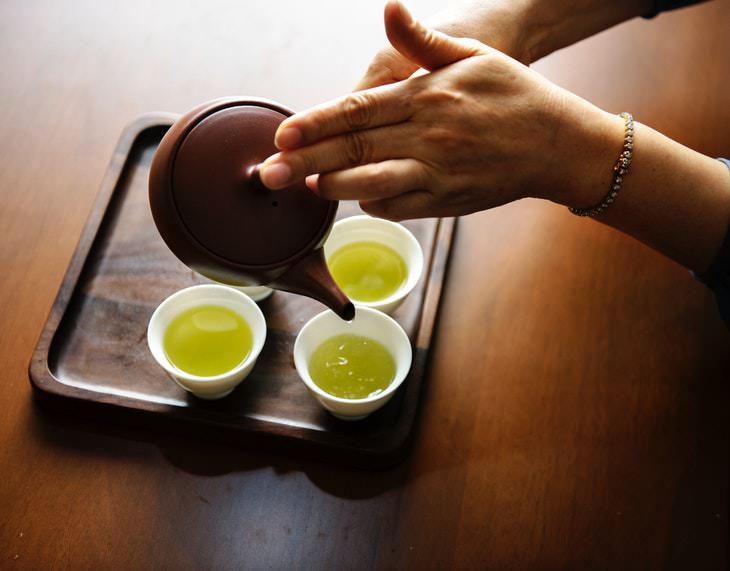
3. Green tea (Camellia sinensis)
All tea varieties are made of the leaves of the Camellia sinensis plant, but different growing and processing techniques yield different kinds of tea. Green teas are generally fermented and processed much less and more gently than red or black tea varieties, and so it contains a lot more antioxidants and other beneficial phytochemicals.
Green tea originated over 1.000 years ago in China, but ever since, it spread to other Asian countries and is popular worldwide today. The antioxidants we mentioned earlier are all polyphenols, and one of them, EGCG, is considered to be most effective at dealing with inflammation.
Japanese matcha tea is reported to have the highest amounts of EGCG, but most green teas will contain the beneficial ingredient as well. Research reports that EGCG can relieve IBD symptoms and can dampen the development of chronic degenerative diseases (Alzheimer’s, heart disease and some cancers).
Do keep in mind, however, that much like coffee, green tea contains caffeine, and so it can be harmful to certain patients, so talk to your doctor to check for any possible medication interactions.
Green tea comes in countless varieties, each having its own optimal brewing time and temperature, so follow the instructions on the packaging of the tea of your choice. We recommend opting for loose leaf teas, as those are generally made of younger tea leaves that have more antioxidants.
4. Fennel Tea (Foeniculum vulgare)
If you’re surprised to find out that fennel can be brewed into a tea, you’re likely familiar with the sweet and pungent vegetable that has its own health benefits, but not its seeds. Yes, both the seeds and the bulb of this Mediterranean plant are used for both culinary and medicinal purposes.
Fennel seeds, in particular, are rich in phenols, just like rosehip, and are often used to soothe digestive issues, particularly bloating, but it is also a potent pain reliever for menstrual cramps.
Fennel tea has a light yellow color and a sweet taste comparable to licorice. To prepare the tea, use 1-2 teaspoons of crushed fennel seeds and steep them for 10-15 minutes in a cup of hot water.
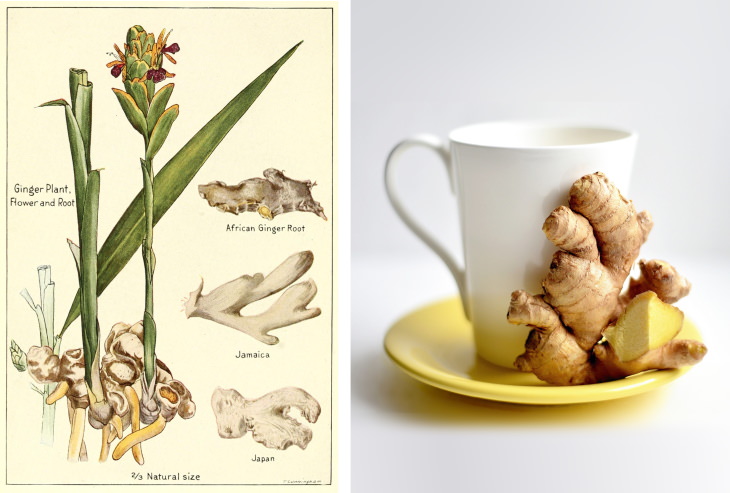
5. Ginger Tea (Zingiber officinale)
Ginger root needs no introduction, it’s one of the most popular tea ingredients and an extremely widespread spice. Ginger originated somewhere in Southeast Asia a long time ago, but today, its medicinal and culinary uses span worldwide and go far beyond traditional medicine and cuisine.
As of today, scientists discovered over 50 antioxidants in ginger, and these powerful phytochemicals can reduce the inflammation in your entire body. Studies involving diabetics, as well as patients suffering from osteoarthritis have observed a global reduction in many inflammation markers following a course of ginger supplements.
Although my favorite way to include ginger in my tea is to combine it with green tea or other herbal tea, you can prepare ginger tea alone as well.
If you’re using dried ginger, only ¼ - ½ teaspoon will suffice to prepare a cup of ginger tea. Steep the hot water and ginger mixture for 5 minutes. If you’re working with fresh ginger, around 1 tablespoon of the finely-sliced root will be enough to make 1 cup of ginger tea, but keep in mind that fresh ginger takes longer to brew around 10 minutes.
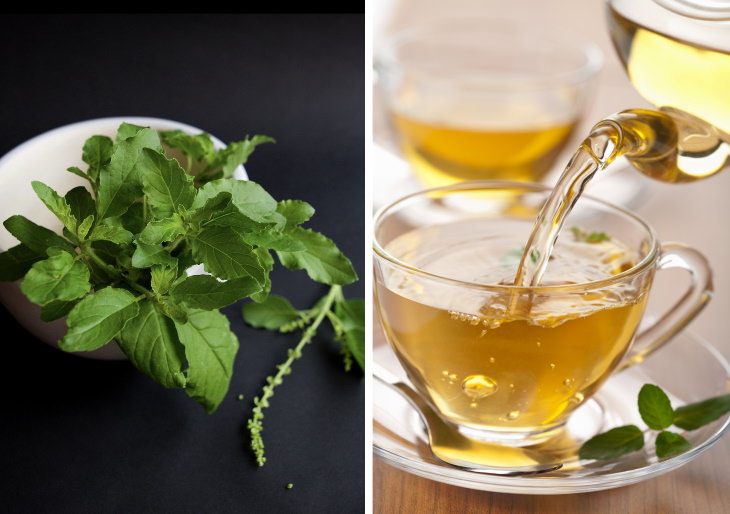
6. Tulsi (Ocimum tenuiflorum)
Also known as holy basil, this leafy plant native to the Indian subcontinent is a recurring ingredient in traditional medicine, especially in Ayurveda, where it’s known as a powerful adaptogen capable of helping the body to cope with emotional and environmental stress.
Modern research builds upon the traditional uses of the plant, with studies finding that tulsi has anti-inflammatory properties throughout the body, reducing blood sugar, blood pressure and LDL (bad) cholesterol levels. Other research found that the plant may also reduce swelling, decrease pain and inflammation by inhibiting enzymes that trigger the inflammatory response.